
Sports Eventscurrent affairs
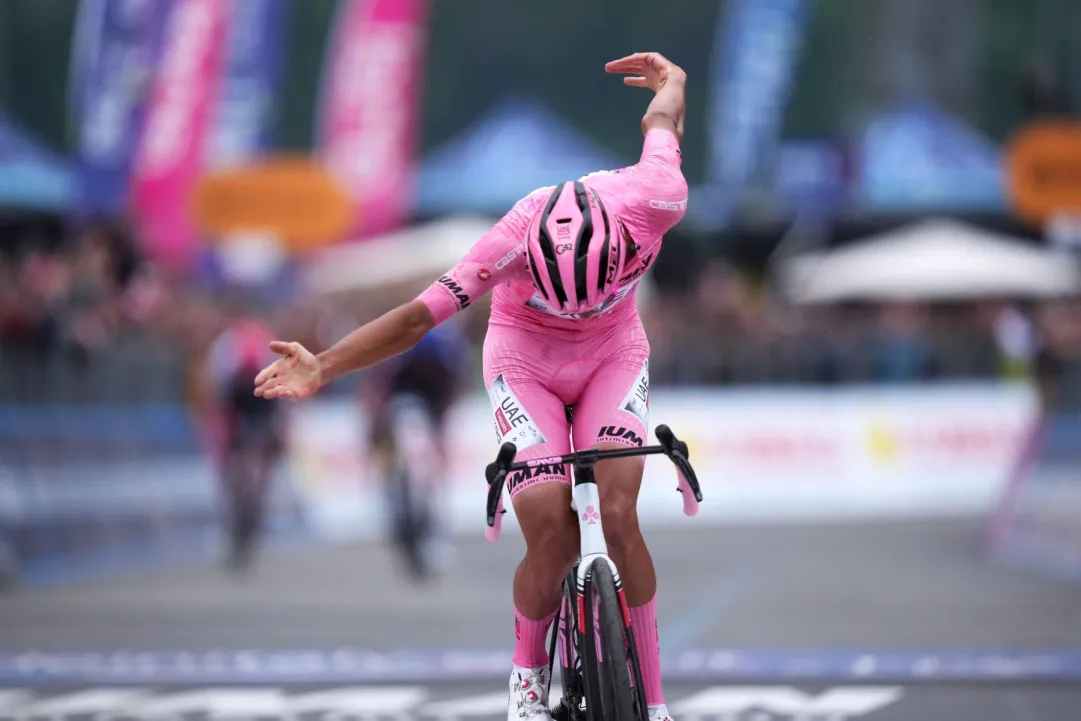

LaPresse

The routes for next year's pink race were presented in Rome (8–30 May for the men, with the start of the women's event—nine stages—scheduled for the final weekend of the men's race): Longo Borghini & Co. are expected to be among the protagonists between Presolana and Madesimo, before a sensational two-day finale with the Valdigne uphill time trial (just a stone's throw from Brignone's home) and the finish in Courmayeur. For the men, after the start in Trieste, the new additions are Monte Livata and Piani di Bobbio, before the decisive week featuring the Gavia between the two climbs of the Mortirolo, the Trentino stage with Madonna di Campiglio returning as a finish, and Monte Zoncolan as the final judge.
Tuesday 3 November 8 minutes reading time
A double Giro d’Italia in the mountains of great skiing.
Not that this is anything new, of course, but the routes unveiled today for the 2027 edition of the pink race, both the men's and then the women's events, will be packed with places linked to snow.
At Rome's Ennio Morricone Auditorium, the route was presented for the first Grand Tour of the season, which will run from 8 to 30 May for the men, while the women will take centre stage from 29 May to 6 June.
The 110th men's race will start from Trieste and, after the first two stages shared between Friuli and Slovenia, the first climb will be Sassotetto in the Marche: many young riders from central and southern Italy learned to ski on the slopes of Monte Livata, and stage number 9, entirely within Lazio, will finish there for the first time, where in 2026 Lorenzo Finn (the most eagerly awaited talent in Italian cycling) effectively secured victory in the Giro Next Gen.
After another new summit finish at Zum Zeri, at Passo dei Due Santi in the Tuscan-Emilian Apennines, the 14th stage (Saturday 22 May) will finish at Piani di Bobbio, which will make its debut in the pink race and at professional level in general, on a mountain between Valsassina and Val Brembana, at an altitude of almost 1,700 metres, with the final 10 km truly gruelling.
After the final rest day, Tuesday 25 May will bring the real “queen stage”: 192 km and 5,700 metres of elevation gain from Sondrio to Aprica, with the double ascent of the Mortirolo via the iconic Mazzo side and Passo Gavia, Cima Coppi at more than 2,600 metres, before descending to Bormio and returning to the foot of the Valtellina “monster”, which will finally lead to the gentler conclusion in the Brescia resort that has long been a historic venue for the Giro's biggest days.
As if that were not enough, two days later the race will return to Madonna di Campiglio for stage 18, starting from Rovereto and featuring tough climbs such as Passo Daone in the finale, before climbing from Pinzolo to the foot of Canalone Miramonti, as in 2015.
Finally, before flying to Rome for the conclusion, which will take place there for the fifth consecutive year, comes the “Kaiser of Carnia”: Monte Zoncolan via its classic Ovaro side, where Chris Froome triumphed in 2018. “The Giro d’Italia's return to our roads renews a special bond between Bormio and the Corsa Rosa, with Passo Gavia once again playing a leading role in a great day of cycling – said Mauro Bassi Giumel, Sole Director of Multiservizi Alta Valle Srl, the organisation responsible for marketing and communication in the Bormio area – Seeing the champions cross our territory is always an emotion, both for those who live here and for the fans who choose to follow the Giro along our roads.
It is also a valuable opportunity to introduce an international audience to an area where cycling is part of the history and an experience to be lived first-hand. With projects such as Stelvio Epic Rides and Enjoy Stelvio Valtellina, that is precisely what we are working towards: offering everyone the opportunity to discover these mountains by bicycle, each at their own pace, and to test themselves on the same roads as the champions.”
And with the conclusion of the men's Giro, the 38th edition of the women's race will get under way. In 2026 it delivered a magnificent spectacle with the finale in Piedmont, despite the climb of Colle delle Finestre being “cut short” without a finish in Sestriere. It will be an extremely tough pink race for the women too—perhaps even more so—over the nine stages on offer, starting in Viareggio before heading north and remaining essentially in the northwest throughout, even more so than the men's event.
The fourth stage will feature the first uphill finish at Passo della Presolana, in the heart of the Bergamo area, followed on day six by the arrival in Valtellina for a brutally difficult finish in Madesimo, just before the summit of Spluga, after climbing Passo San Marco.
And the concluding weekend of 5–6 June will be entirely in the Aosta Valley, with an 11 km uphill time trial in Valdigne, practically just a stone's throw from La Salle, Federica Brignone's home, followed by the grand finale around Mont Blanc. The queen stage will see Vollering, Longo Borghini & Co. tackle Colle San Carlo, 10 km at an average gradient of 10%, cresting 25 km from the finish in Courmayeur, as in the 2019 Giro, when Richard Carapaz effectively secured his pink jersey there.
© ALL RIGHTS RESERVED
Social media engagement
More details




Most read in Sport invernali
Fede, the shock announcement: Brignone retires. “My leg hurts too much, I’ve decided to end my career. I’ll open one last starting gate”
In a video released by FISI, the Italian champion announced that she had decided to call it a day: the two days on skis in Cervinia did not give her the answers she had hoped for, and Federica will compete in one final race to say goodbye to everyone. The most successful woman in the history of Italian skiing is leaving the sport.
83