
Sports EventsCurrent affairs

FISG

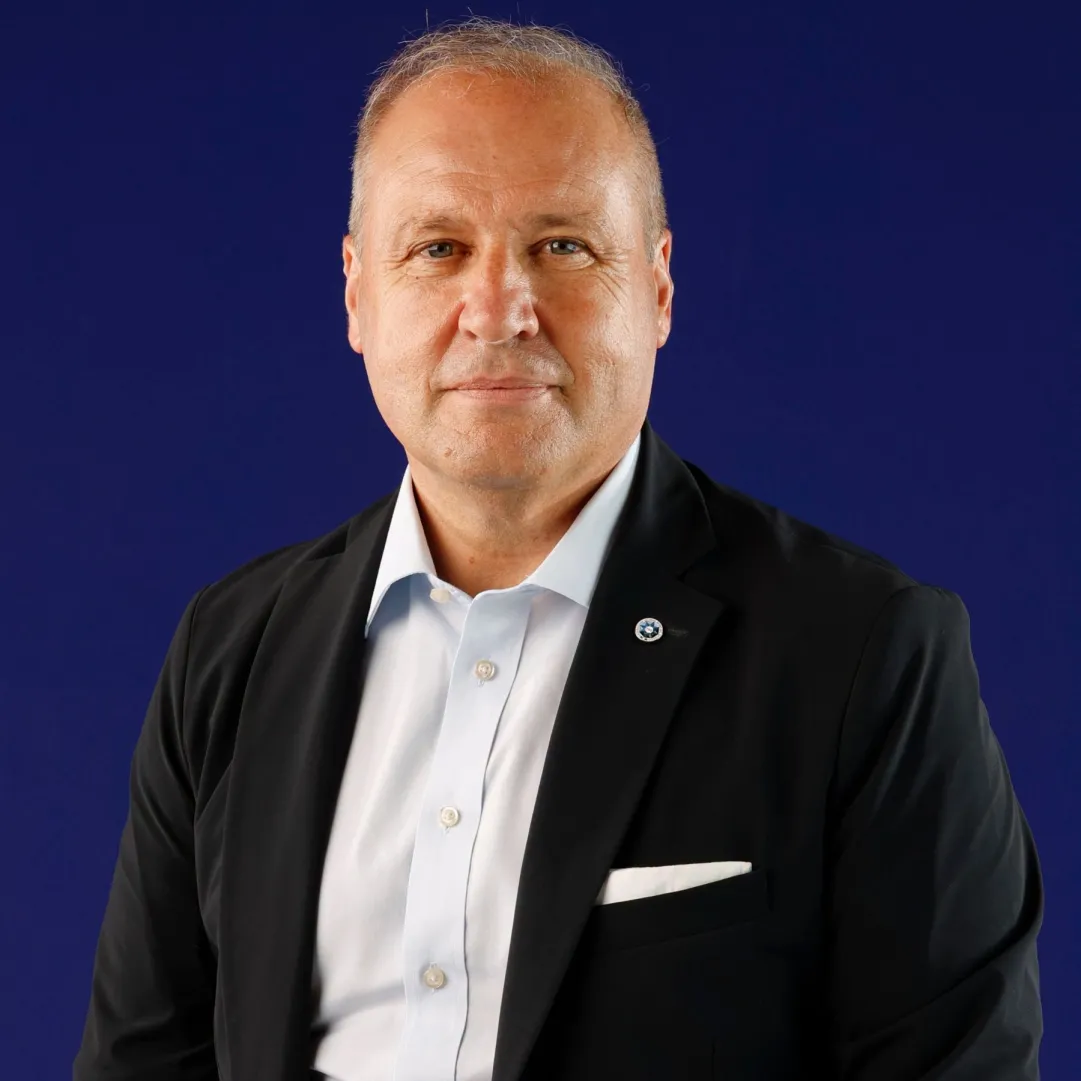
The open letter from the outgoing head of the ice sports federation (who failed to secure a fourth term at the electoral assembly held at the end of July), following the triumphs of Milano Cortina 2026, with the new Fiera Ice Arena in Rho and many other issues on the table.
Wednesday 21 October 2026 16 minutes reading time
While FISI awaits news of its future, with the new Assembly potentially also being postponed until next spring after the failure to elect a President and Board on 10 October in Verona, next Saturday FISG (Italian Ice Sports Federation) will discover who will lead it for the next four-year term.
At the end of July, Andrea Gios failed to remain at the helm of the sport for a fourth term, as later happened with Flavio Roda at the Italian Winter Sports Federation, after falling short of the two-thirds majority required at the electoral Assembly. Today’s news is that the outgoing head of FISG has withdrawn his candidacy for the federal vice presidency, with an open letter to the sport outlining a series of reflections on the future of the disciplines which, truly closing a chapter after so many triumphs at the highest-circuit and World Championship level, really hit the big time at Milano Cortina 2026.
“Just days before the federal electoral Assembly on Saturday 24 October, I would like to share some reflections on the future of the Italian Ice Sports Federation, on the responsibilities awaiting the next leadership and on the choices our sport is called upon to make,” Gios begins in his statement. “After twelve years at the helm of FISG, my term as President has now come to an end. I had put forward my candidacy for the federal vice presidency, but I have decided to withdraw it.
This decision stems from my wish to conclude this phase of my involvement in the federal bodies, while continuing to follow the future of our sports with interest and commitment. However, I do not intend to avoid reflecting on what we have built together and on what I believe is necessary to continue along this path. The experience gained over twelve years as President makes me feel a responsibility to share some considerations, in the interests of the Federation and of all the clubs that form its foundation.
I leave behind a Federation that has grown in sporting, economic, financial and organisational terms. Over these twelve years we have consolidated the federal structure, enhanced professional skills and expertise, and strengthened the organisation’s ability to face increasingly demanding challenges.
The sporting results are the clearest evidence of this progress. The eleven Olympic medals won at Milano Cortina 2026 represent an extraordinary achievement, added to the successes recorded in the previous four-year period and the progress made by our disciplines internationally. These results do not belong to one individual, but to a project built over time thanks to the work of the federal structure, the sports clubs, coaches and officials, and above all to the talent and dedication of our athletes.
On the organisational and economic fronts too, we worked to create solid foundations, develop expertise and put the sport in a position to face the future. The most important asset we hand over to those who come after us is not only sporting and financial, but also human and professional. I extend my most sincere thanks to everyone who contributed to this journey.”
THE FUTURE IS BUILT ON EXPERTISE AND RESULTS
The letter continues: “Precisely because I consider what has been built to be important, I believe that the composition of the next federal Board should be guided by four principles: unity, professionalism, clarity and knowledge of the disciplines. Unity, because anyone taking on a federal responsibility must represent the entire sport, overcoming divisions and particular interests. Professionalism, because experience must translate into managerial, organisational and strategic skills, the quality of decisions and the results achieved.
Clarity, because positions, objectives and the contribution one intends to make must be expressed transparently, maintaining consistency between statements and the responsibilities undertaken. Knowledge, because leading a Federation that brings together different disciplines requires understanding their technical, organisational and economic specificities, the needs of athletes and the conditions in which clubs and local communities operate.
Those joining the federal Board must be able to look beyond their own area of origin, assessing the impact of decisions on the sport as a whole and helping to identify fair and effective priorities. The objective must be to create the conditions for every discipline to grow and for every young athlete to find opportunities to develop their talent and pursue their dreams. In my view, these are the criteria by which to assess the people called upon to lead the Federation over the next four years.
Just days before the elections, I also believe it is necessary to recall a principle I consider fundamental: change is demonstrated not only through statements, but also through the choices made and the results achieved when one has had the opportunity to assume responsibility. I am thinking in particular of those who now present themselves as champions of renewal after holding positions of responsibility within the federal Board for eight years, including responsibility for important areas such as hockey. My assessment of that experience, from a managerial, organisational and strategic standpoint, is not positive. This assessment was formed during our work within the Federation, and I believe I have the right to express it precisely because it concerns the exercise of positions of responsibility and the results that followed.
At the end of that period, the majority of clubs in the sector had called for a change in their representation, which was subsequently entrusted to someone who demonstrated leadership skills. For this reason, I believe it is legitimate to demand consistency from those who now denounce the risk of merely superficial change, refer to the “same logic” and “positions of privilege”, and claim autonomy and a break with the past, despite having taken part for years in the management they now criticise.
This is not a personal matter, but a principle of responsibility. Anyone seeking to lead the future must also be willing to account for their past: the choices made, the results achieved and the concrete changes implemented during previous terms of office. Today’s statements cannot replace an assessment of yesterday’s results. I believe the sport has the right to assess candidates on the basis of demonstrated expertise, their ability to work together and a concrete vision for the development of all disciplines.”
THE NEXT CHALLENGE: FIFTEEN OLYMPIC MEDALS
“The results at Milano Cortina 2026 are also an asset for the Federation’s future,” the federal President continues. “The Olympic success can help strengthen its position within the Italian sporting system and support the resources needed to continue investing in athletes and clubs. Whoever leads FISG over the next four-year term will therefore be able to count on important foundations, but will also have the responsibility of preserving and developing them further. I have always stated that, despite the eleven medals won at Milano Cortina, I did not consider myself completely satisfied. I am convinced that our sport had the potential to win at least another three or four medals.
This is not a criticism of our athletes, who have my deepest gratitude, but an awareness of the progress made and of the room for growth that still exists. For this reason, I consider fifteen Olympic medals an ambitious but realistic objective for the future. Not a goal to be pursued through promises, but the result of rigorous planning, targeted investment, appropriate expertise and shared work among the Federation, clubs, coaches and athletes.
I hope whoever leads FISG will take up this challenge, confirm the results achieved and, if possible, surpass them. If that happens, I will be the first to be happy about it. I conclude these twelve years at the helm of the Federation with the awareness that I devoted all my energy to the growth of the sport and with pride in the results achieved together with the many people who shared this journey.
My decision to withdraw my candidacy for the vice presidency marks the end of my involvement in the federal bodies, but it does not change the conviction that has accompanied me over these years: our sports still have great room for growth and deserve a Federation capable of looking far ahead. I hope the new phase will be characterised by unity, professionalism, clarity and knowledge. That it will know how to build on what has been achieved, without giving up on improving what can and must be improved.
Because the real objective is neither to preserve what has been done nor to change simply for the sake of changing. It is to put the Federation in a position to do even better, in the interests of athletes, sports clubs and the future of all our disciplines. This is the challenge I leave to those who will be called upon to lead FISG over the next four years.”
© ALL RIGHTS RESERVED
Social media engagement
Most read in Sport invernali
Fede, the shock announcement: Brignone retires. “My leg hurts too much, I’ve decided to end my career. I’ll open one last starting gate”
In a video released by FISI, the Italian champion announced that she had decided to call it a day: the two days on skis in Cervinia did not give her the answers she had hoped for, and Federica will compete in one final race to say goodbye to everyone. The most successful woman in the history of Italian skiing is leaving the sport.
35