
Alpine Skiingfocus
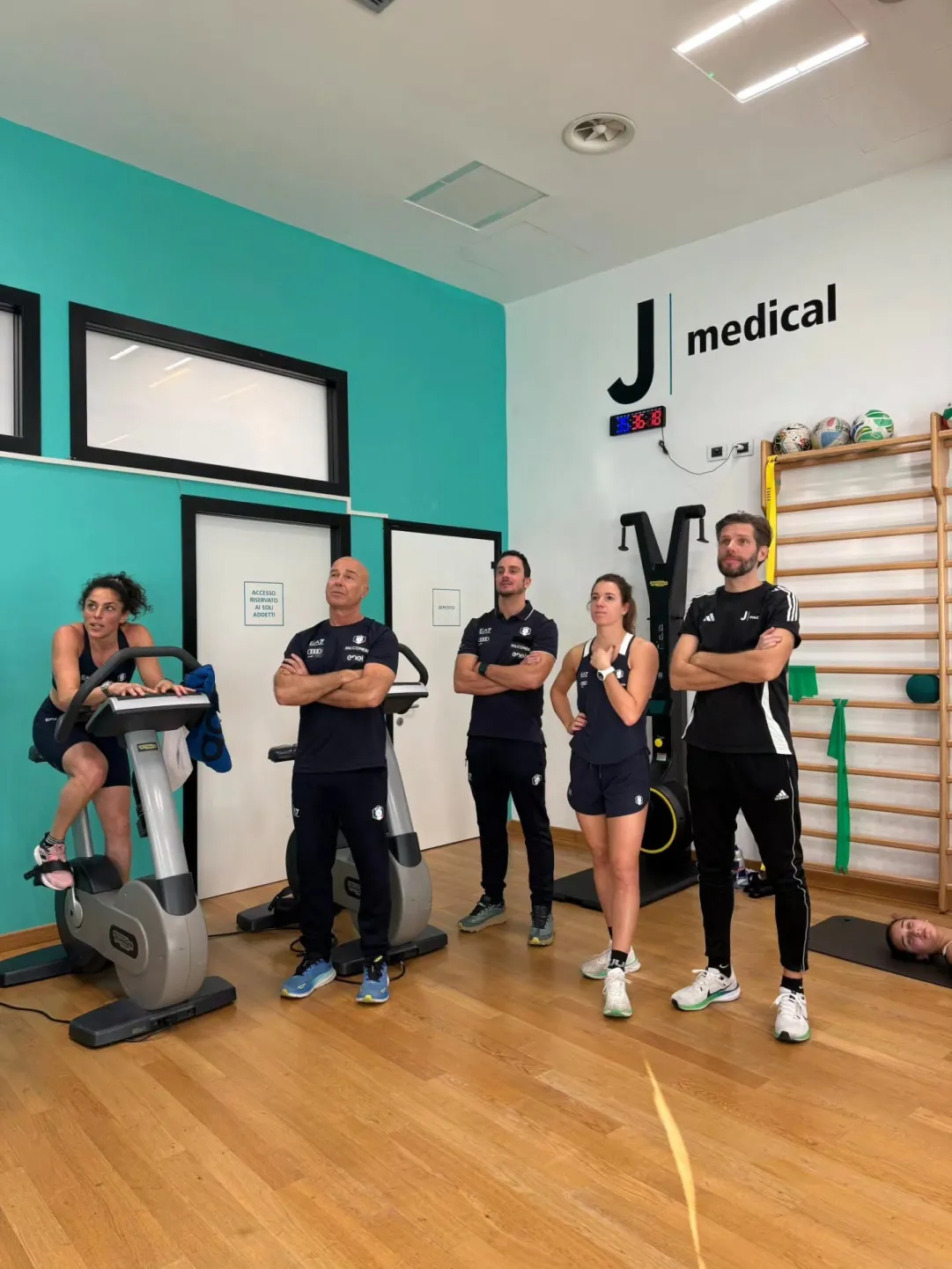

instagram Marta Bassino

An interesting FIS feature giving a voice to the Trentino-based trainer, whom we interviewed a few months ago on NEVEITALIA while Federica Brignone was in the midst of her recovery and who coaches the elite athletes of the Italian women’s team, and to the Spaniard who, after working with Gut-Behrami, is now the go-to trainer for Odermatt and his teammates. “The athlete must be understood in depth, not only through physical tests,” Scarian explains. “The athletes’ feedback remains the most important thing,” adds Hervas.
Wednesday 22 July 2026 15 minutes reading time
On one side is Luca Scarian, a trainer from Val di Fiemme who has been working for years with the top athletes of the “Pink Avalanche” that is collecting World Cup victories, crystal globes and Olympic medals; on the other is Alejo Hervas, a Spanish trainer who, since 2024, has no longer worked with Lara Gut-Behrami, following the Ticinese star’s second World Cup title, and is now the point of reference for the Swiss men’s team led by Marco Odermatt.
FIS dedicated a feature to them on dry-land training, managed by two top-level trainers in the world with different requirements but sharing a common principle: this type of work has evolved from simply improving physical fitness into an integrated athletic-preparation system designed to allow athletes to combine the physical and mental demands of high-level competition.
For many years, dry-land preparation consisted mainly of basic training aimed at making athletes stronger and fitter; today, thanks to significant advances in the knowledge and expertise of professionals in the field, they pay greater attention to developing, in a more individualised way, the physical qualities that allow each athlete to perform at their best on skis.
Scarian, whom we interviewed HERE on NEVEITALIA a few months ago, during the final phase of Federica Brignone’s legendary recovery, with whom the Trentino trainer worked for months, while also following Bassino’s programme (a few months after Fede, unfortunately also forced to undergo rehabilitation and post-injury return-to-sport work) as well as Goggia’s within the elite group, which will also include Laura Pirovano in 2026/27, believes that physical preparation should complement skiing while remaining a distinct area of development.
His philosophy is based on developing strength, oxygen consumption, trunk stability and efficient movement patterns. Above all, the first step is to ensure that the athlete is physically healthy and moves efficiently from a biomechanical perspective, creating the foundations necessary for high-level performance on snow.
Alejo Hervas bases his dry-land training system around two main pillars: structural and metabolic work. The former focuses on muscles, connective tissue, joints and soft tissue, while metabolic work develops the aerobic and anaerobic energy systems. During a 24-week preparation period, the central block in which most of the physical training takes place, his programme progresses through several phases, beginning with aerobic development and then moving on to structured strength blocks involving concentric, eccentric and isometric contractions.
Training intensity and volume are then adjusted in waves, with recovery weeks incorporated throughout the process to promote adaptation and progression. After this period, training shifts to a mix of skiing and maintenance work aimed at preserving the physical qualities acquired. Although the terminology differs, both approaches share the same objective: developing athletes who are physically prepared to perform on snow.
Athletes must generate considerable force, absorb extreme loads and maintain control while performing at high speed. Strength remains one of the fundamental pillars of preparation, but it is considered a multidimensional quality rather than simply the maximum production of force. For Scarian, “strength development depends on managing three key elements: time under muscular tension, an adequate training volume and the speed at which force can be produced”.
Alejo also emphasises “the importance of combining strength and endurance, movement control and the ability to regulate intensity. Strength remains a central element of my approach, but it is always trained with careful control”.
According to the Spaniard, when the time available for training is limited, trainers must decide which qualities can have the greatest impact. In the event of injury, priorities shift towards maintaining development wherever possible, while respecting medical guidance and safeguarding the athlete’s health. Interestingly, neither coach identifies physical ability alone as the main limiting factor in progression. Instead, long-term development is shaped by a combination of mindset, willingness to face challenges and the environment in which the athlete trains and grows.
KNOWING THE ATHLETE INSIDE OUT
Physical tests provide important information about strengths and weaknesses, but both coaches believe that effective personalisation requires a deeper understanding of the athlete. Understanding how they move, communicate and respond to different training approaches becomes fundamental.
Having worked with several athletes for many years, the Italian national-team trainer has developed a profound knowledge of their individual characteristics, enabling him to design training sessions that challenge them while respecting their limits. “Knowing the athlete is fundamental, not only through physical tests, but by understanding them in depth,” Scarian explains.
Hervas relies heavily on daily observation, stressing that although numerical data provide valuable information, behaviour, movement patterns and responses to training reveal just as much; one example is the way he analyses natural bodily asymmetries, observing how athletes move differently from one side to the other and how these differences affect their training. Individualisation within a group is often achieved by adapting training volume, intensity, recovery or exercise selection, rather than creating completely separate programmes.
For athletes in the development phase, the focus is often on establishing ingrained habits and carefully managing progress. More experienced athletes, on the other hand, usually require a more refined approach, with greater attention to detail and individual responses. “The challenge is how to reduce training while improving performance at the same time: this is the true art of coaching, and athletes’ feedback is by far the most important thing,” the Iberian professional insists.
Planning the year is one of the most complex aspects of preparation in alpine skiing. During the preparation phase, coaches generally focus on developing physical capacity through progressive increases in training volume and intensity. Recovery periods and variations in training are incorporated to allow continuous adaptation; however, competitive skiing rarely follows a perfectly linear path, with periods of international-level training, travel commitments and constantly evolving race calendars meaning that coaches must continually adapt their approach to individual athletes.
During winter, the focus shifts from developing new physical qualities to maintaining performance. Although training volume may decrease, intensity is carefully managed. For the Italian women’s national team, Luca Scarian’s objective is to avoid reducing the workload excessively, ensuring that the athletes continue to regularly stimulate their muscles and remain physically active throughout the season.
The surrounding environment plays an important role in the athlete’s long-term development. Training camps give the stars of the white circus the opportunity to work together, strengthen team spirit and learn from one another; however, both coaches, Scarian and Hervas, stress that “the quality of the process is more important than the location itself”. For the trainer from Val di Fiemme, periods of stable training at home are particularly valuable because they allow athletes to progress without constant interruptions before the intensity of the ski season begins.
The Spaniard considers training camps an “important opportunity to build relationships within the team and observe how athletes support one another in facing difficulties”.
In conclusion, dry-land training has evolved far beyond traditional out-of-season athletic preparation. Today it represents an active, year-round work system that combines physical development, injury prevention, personalisation and collaboration. Methods may vary from one coach to another, but the message is always the same: high-level performance is not achieved only on race day; rather, it is built through months of preparation, adaptation and work away from the snow.
© ALL RIGHTS RESERVED
Social media engagement
SCARPONI, SCELTI DAI LETTORI
MAXISPORT
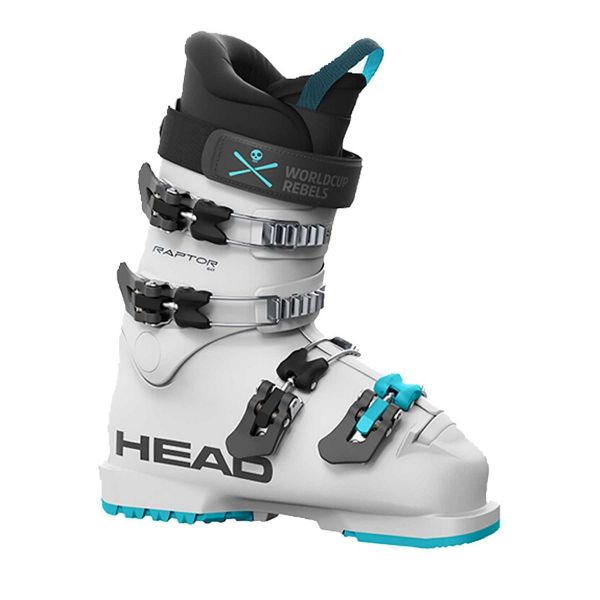
HEAD - raptor 60 bambino
102 €
2