
Nordic Skiing2026/27 World Cup

GEPA Pictures

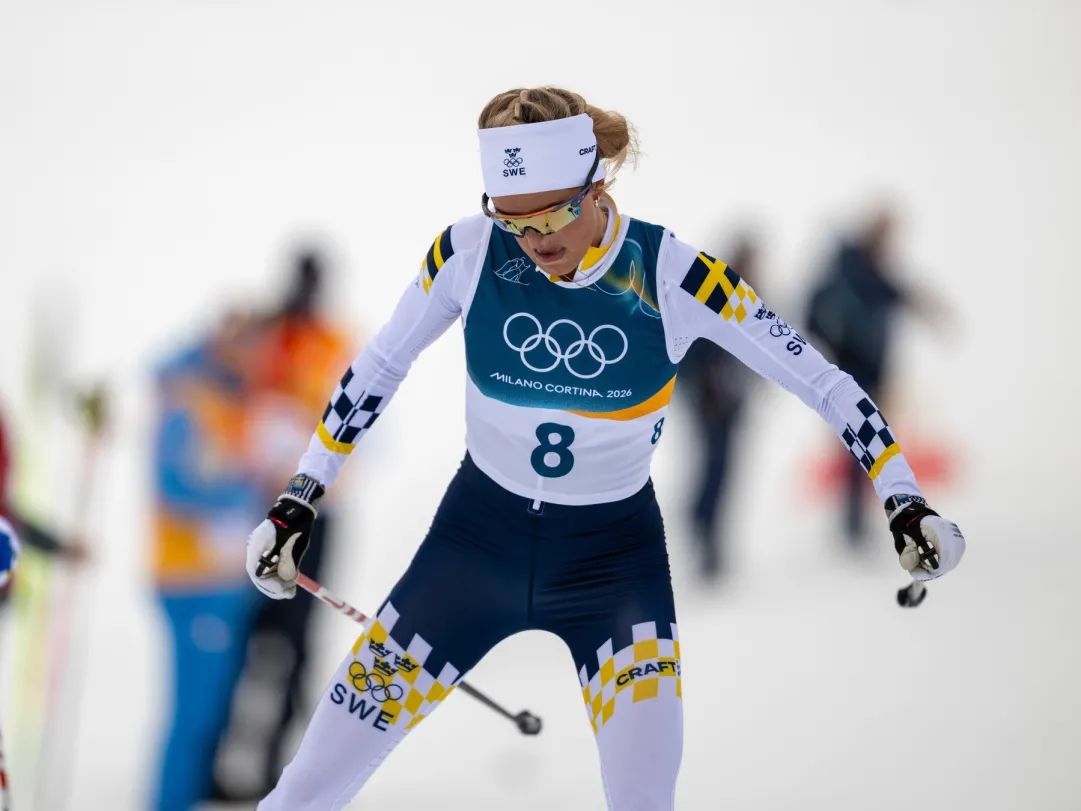
On the eve of the start of the 2026/27 Cross-Country Skiing World Cup, it is difficult to make a prediction about the women’s season ahead. Sweden enters as the team to beat, with the aim of winning the first-ever overall World Cup among women: from Frida Karlsson to Jonna Sundling, the Scandinavian powerhouse has numerous cards to play, even though the home World Championships in Falun remain the primary objective. In Norway, everything is being pinned on Heidi Weng, while there is great curiosity surrounding the return of Natalia Nepryaeva. Italy is relying on its youngsters, aiming for a podium finish in the top circuit, something that has been missing since March 2011.
Thursday 26 November, 12:10 8 minutes reading time
The women’s World Cup is about to enter a new era: after the 2026 Milano-Cortina Games, many important retirements followed, involving athletes who had won a great deal. At the end of last winter, American Jessie Diggins, winner of the overall crystal globe, Swiss Nadine Faehndrich and Finnish skier Kerttu Niskanen all bid farewell to competitive racing.
The last three overall globes all went to Minnesota, despite the superiority shown by the Swedish women, who always paid the price for their decision to skip several races in order to focus on the winter’s major event. Without the American born in 1991, the Scandinavian powerhouse has a better opportunity than ever to win the first overall crystal globe in women’s competition.
Sweden can count on at least three athletes capable of challenging for the overall title: Frida Karlsson, the authentic dominator of the Games; Jonna Sundling, who began as a sprinter but is now also highly competitive in distance races; and Ebba Andersson. The latter has already announced that she will skip several World Cup stops to prepare in the best possible way for the home World Championships in Falun, and with the scoring systems rewarding participation so heavily, this absence could already represent a problem in the overall standings.
Sweden’s arrows do not end there: Moa Ilar also deserves attention after finishing second in the overall standings last winter, as do Maja Dahlqvist and Linn Svahn, despite the physical problems that have plagued her over the past two seasons.
Staying in Scandinavia, the greatest threat to Karlsson and her teammates will undoubtedly be Norway’s Heidi Weng, who rediscovered the consistency of results she had lacked for several years during the Olympic winter, also returning to victory in the Falun skiathlon. In addition to Weng, veteran Astrid Slind and Karoline Simpson-Larsen will also be tough opponents for Sweden in the distance races, but they should not be a threat in the overall standings.
As far as the overall crystal globe is concerned, there do not appear to be any other athletes capable of troubling the Scandinavian women. Finland has found valid replacements for veterans Kerttu Niskanen and Krista Parmakoski, with the latter still competing, in Johanna Matintalo and Jasmi Joensuu: the former won in Goms last January, while the sprinter claimed the first victory of her career at the Tour de Ski, in the race at Lago di Tesero.
This season, the winner of the 2022 overall World Cup will return to the starting line: Russian Natalia Nepryaeva, now Terenteva, will compete as a neutral athlete, thereby joining her sister Dariya, who returned to the top circuit’s snow already last winter. In Muonio, the athlete born in 1995 in Tver has already shown good form and, if she rediscovers even part of the level she displayed four years ago, she could represent a major obstacle for the Swedes and Norwegians.
There will be another important return following the doping suspension that kept her out of the Milano-Cortina Games: Germany’s Victoria Carl. The athlete born in 1995 in Zella-Mehlis, who has won once in the World Cup, will return after an eighteen-month absence due to a positive clenbuterol test, but she will not be able to compete in the top circuit immediately, as she no longer has any FIS points. Germany’s leading contenders will therefore be sprinters Coletta Rydzek and Laura Gimmler, who won a medal in the team event at the 2026 Games.
As for the Italian team, the objective is to return to the podium, a result that has been missing since March 20, 2011, when Arianna Follis won the Falun pursuit. Last season, the youngsters showed encouraging signs, with Iris De Martin Pinter coming close to a top-three finish in the Oberhof sprint, while Maria Gismondi, after a brilliant start to the season that included sixth place in the 10 km classic-style race in Trondheim, had to deal with toxoplasmosis, which effectively compromised her winter, including the Olympic Games.
In addition to the two athletes born in 2004, there are also high expectations for sprinters Federica Cassol, often extremely fast in qualifying, and Nicole Monsorno, both born in 2000. The reference point in the distance events remains Caterina Ganz, who already appeared to be in excellent form at the pre-season FIS races in Muonio, winning the 10 km classic. Nadine Laurent, a sprint specialist, and Virginia Cena, better suited to long-distance events, will also try to carve out their own opportunities.
© ALL RIGHTS RESERVED
Social media engagement
FONDO, SCELTI DAI LETTORI

BOTTERO SKI
ARC TEC - squadretta in allumino 88
24.00 €


33