
TourismThe history of skiing


Davide Franchi

A walk along the Po in Turin takes us to the origins of skiing in Italy. It was on the slopes of Valentino Park that, in 1896, engineer Adolfo Kind carried out his first experiments on snow with skis imported from Switzerland and inspired by the centuries-old tradition used in the Scandinavian peninsula.
Monday 15 September 2025 6 minutes reading time
Not far from the southern entrance to Valentino Park, an understated Art Nouveau building tries to make its way among the many apartment blocks surrounding it. This is Villino Kind, which at the end of the nineteenth century was the residence of Swiss-born engineer Adolfo Kind. A great mountain enthusiast, in 1896 he imported a pair of ash-wood skis into Italy, produced by the Swiss manufacturer Jakober, who was inspired by the equipment he had seen being used in the Scandinavian peninsula. There, skis had been used by the local population since prehistoric times to facilitate travel across vast snowy expanses. During the nineteenth century, with the invention of the telemark technique, skiing also began to emerge as a sporting activity. Until then, the equipment had been attached precariously to leather shoes or boots, which provided no support, and there was still no technique for turning or braking.
In 1896, Kind gave his first demonstrations to his guests on the living-room carpet at Villino Kind. Thanks to the snowfall, the experiments soon extended to the slopes of the adjacent Valentino Park, and then to the more challenging descents from Monte dei Cappuccini. The National Mountain Museum of the Italian Alpine Club is now located here, with a section devoted specifically to skis and their technical evolution. In a short time, outings extended to the nearby hills and mountains surrounding Turin. On 8 January 1896, a group of twelve pioneers led by Kind travelled to Giaveno by tram, and from there reached the higher hamlets, passing through Prà Fieul to the summit of Monte Cugno dell'Alpet (just east of Punta dell'Aquila), from where they made the first descent on skis. This marked the advent of skiing as a mass sport in the Italian mountains. In 1901, Ski Club Torino was founded within the CAI, and Kind was appointed its director. In 1906, the “first Italian alpine resort” was inaugurated in Oulx, while the first skiing course was organised in Sauze d'Oulx. In 1908, the union of several ski clubs gave rise to what would later become FISI.
Appreciation for downhill skiing grew. Thanks to the spread of the first ski lifts, particularly surface lifts and sled lifts, skiing became increasingly established as a sport capable of providing enjoyable days on the snow for both adults and children. This development was not halted even by the two world wars and, in the first decades after the Second World War, led to its definitive consecration, helping to stem depopulation and economic desertification in many mountain areas.

Villino Kind in Turin

The historical evolution of skiing at the National Mountain Museum
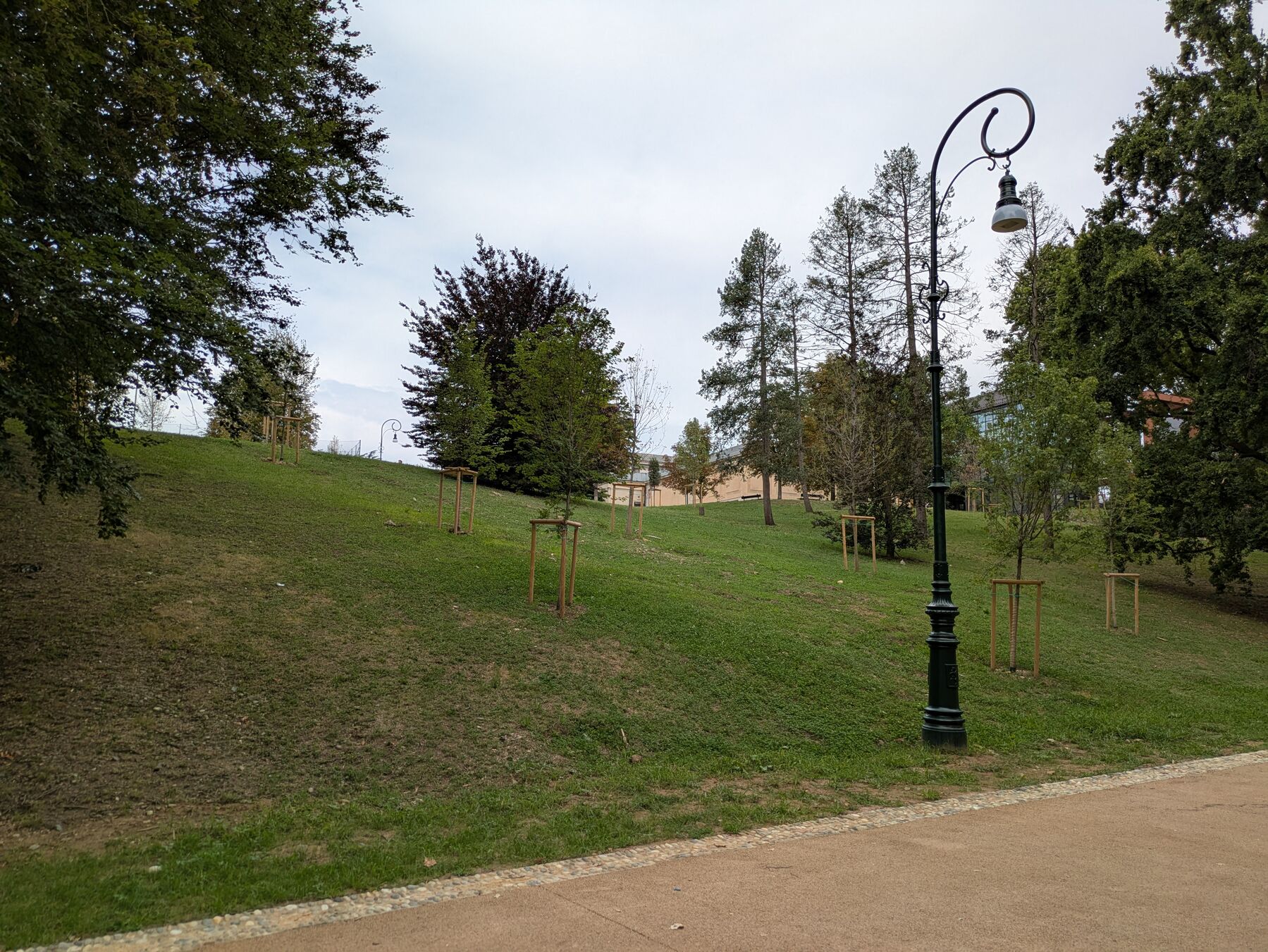
The slopes of Valentino Park along the Lungo Po
© ALL RIGHTS RESERVED
Social media engagement
More details

Latest in Turismo

Pista degli Abeti and Creberg Palace: cross-country skiing and skating start again together in Val di Scalve
In Schilpario, new management is taking over the valley's two landmark facilities. A recently formed association, including names that have helped write the history of winter sports—not only at local level—is focusing on Nordic skiing and skating to offer a new vision of the mountains and slow tourism. The starting point is the legacy left by the 2025 Junior and U23 World Cross-Country Skiing Championships.

33