
Mountain FlavoursMountain flavors

bureaurabensteiner


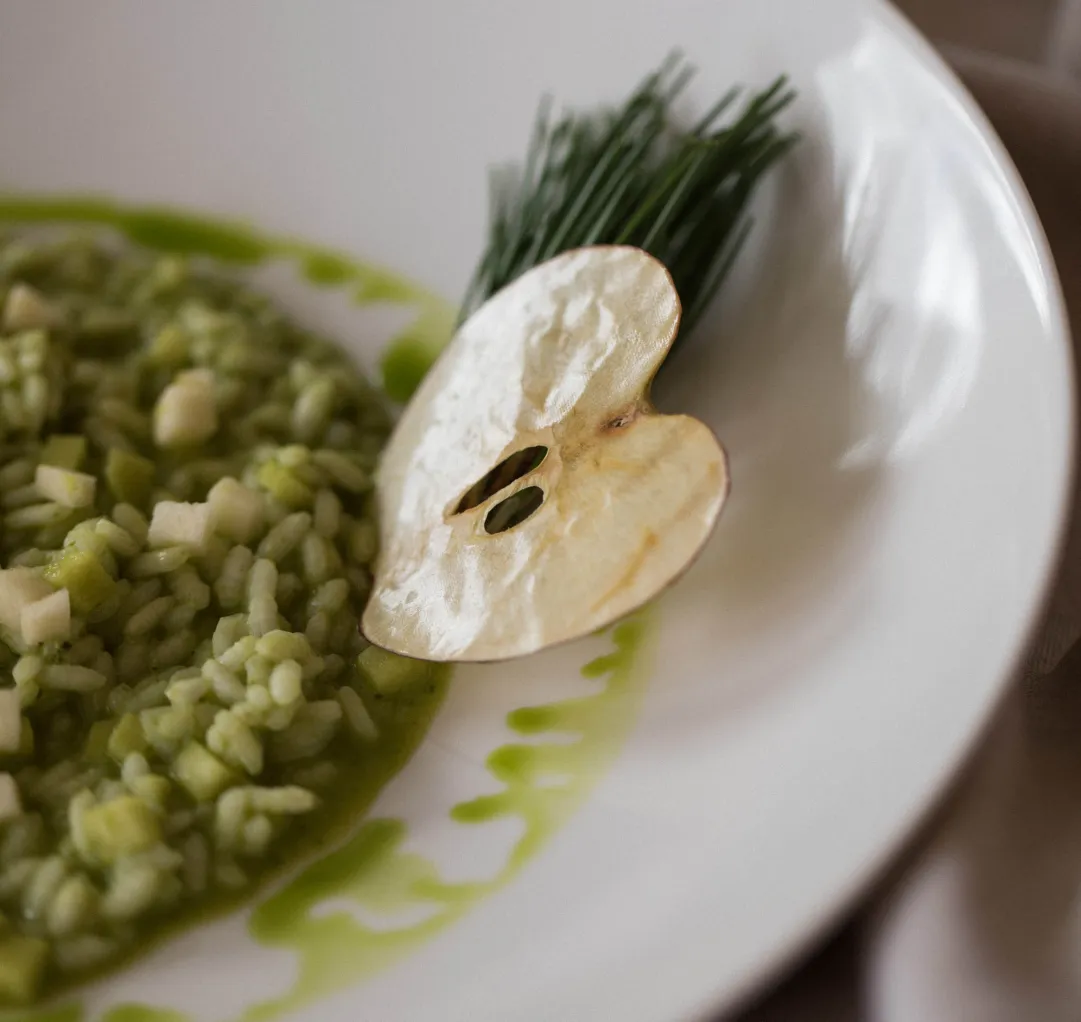
Winter brings to the kitchen of the Naturhotel Leitlhof all the goodness of simple recipes that arise from the search for local products and respect for nature. Homemade pasta, such as tagliatelle with pine, or winter dishes such as beetroot ravioli and smoked ricotta with poppy seeds, but also hay bread made from local flour and a selection of cheeses that tell the most genuine and traditional side of South Tyrol.
Tuesday 25 January 2022 5 minutes reading time
Knowing how to communicate the flavors and aromas of the territory through a dish is a skill that requires extreme care in the choice of raw materials and their processing, combined with creativity, passion and deep respect for nature and its fruits. This is the philosophy of chef Markus Auer of the Naturhotel Leitlhof, a structure in San Candido that makes sustainability its essence, even in the kitchen.
At the Naturhotel Leitlhof the preparation of a dish begins with the selection of ingredients: as much as possible of local or regional origin, strictly seasonal, often grown and reared directly on the farm of the Mühlmann family, just a few steps from the hotel. A choice that guarantees quality and authenticity, characteristics of which the chef Markus Auer becomes the spokesperson. It is from the home wood, for example, that he collects the most tender needles of the Swiss stone pine to make the Swiss pine tagliatelle: finely cut, the needles are mixed together with the eggs during the preparation process of the pasta giving it a particular aroma, which marries to perfection with venison ragout, as well as being an excellent base for ravioli stuffed with smoked salmon and horseradish. A simple dish, but capable of expressing the flavors of the mountains and South Tyrol, as well as the "Beetroot and smoked ricotta ravioli with poppy seeds", which combine the sweet and slightly acid taste of the red winter vegetable and the intense flavor of ricotta, possibly at zero km.
Cheeses are also the protagonists of the winter menu: often coming from local farmers and cheesemakers, guardians of an ancient tradition that can still be breathed today in these mountain valleys. Do not miss the special tasting proposed by the chef and consisting of: Vila di Sopra's “Goasglick” goat cheese, to be paired with red abbot honey syrup; “Kollnighof” sheep's camembert with noble rot and black elderberry; “Genussbunker” mountain hay cheese whose peculiarity is that it matures 14 months in the bunker; rye cheese, made with cow's milk and soft paste, aged 4 weeks and flavored with rye bran. And finally, a novelty of the season that accompanies every meal, the hay bread made from local flour made directly by the hotel.
From breakfast to dinner, the Naturhotel Leitlhof offers a tasty and sustainable gourmet experience, in line with the philosophy of an "energy positive hotel", completely self-sufficient from an energy point of view and therefore neutral to the climate, which declines sustainability in all areas. its nuances. Fruits, vegetables, eggs, flours, sweets and bakery products, meats and cheeses found in small towns in Alta Pusteria or in the region are daily ingredients of traditional recipes combined with Mediterranean dishes that can also meet the taste of an international clientele, but always inspired by land and what it produces.
More information: www.leitlhof.com
#LEITLHOF #SMSTUDIO
© ALL RIGHTS RESERVED
Social media engagement
Ultimi in Regioni
Chiesa Valmalenco
La Valmalenco offre uno dei comprensori sciistici più panoramici della Valtellina, sviluppato principalmente nella conca dell’Alpe Palù e circondato dalle grandi montagne del gruppo del Bernina. Boschi di conifere, ampi pendii in quota e il lago Palù compongono un ambiente alpino ancora relativamente integro, con vedute che spaziano verso il Pizzo Scalino, il Monte Disgrazia e le cime che separano la valle dall’Engadina.
7