
Alpine SkiingEuropean Cup 2025/26
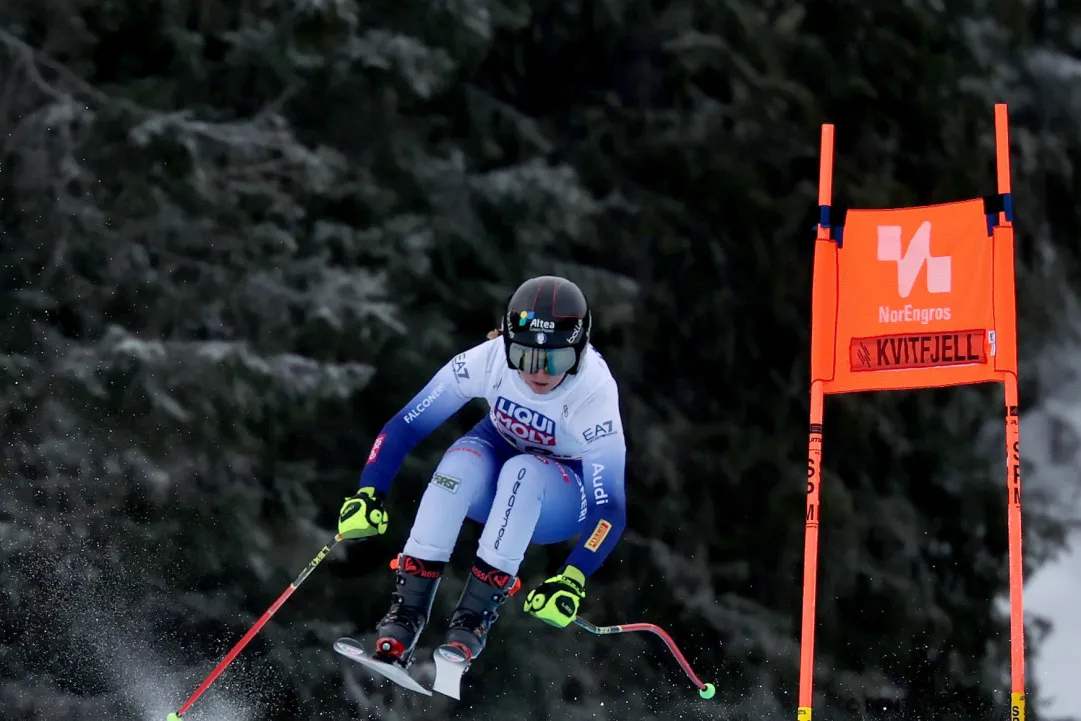

Pentaphoto




The women’s continental circuit, with 33 races, and the men’s, which will get underway in the north with the Levi and Storklinten slaloms as early as the second half of November. The speed treble in Santa Caterina Valfurva makes for a December packed with Italian events, from the Obereggen and Pozza di Fassa slaloms to those in Valle Aurina. The finals will take place from 20 to 25 March between Saalbach and Schladming.
Tuesday 28 October 2025 8 minutes reading time
The 2025/26 European Cup will be particularly packed, with its dates also overlapping the Olympic period, making four months of 70 races overall across the two circuits. As in recent seasons, NEVEITALIA will offer you not only its usual reports but also, on some occasions, live commentary of selected events.
The women’s continental circuit will feature 33 events, with 10 slaloms, as many giant slaloms, 7 downhill races and just 6 super-Gs. It will begin with two races on 1–2 December (Monday and Tuesday) in Zinal, with two giant slaloms—a tradition on the Swiss slopes—followed by two more technical events (giant slalom and slalom) in Austria, in Mayrhofen, on 6–7 December. The circuit will then move to Sankt Moritz, following the women’s World Cup stop, for two downhill races on 17–19 December.
Then, on Friday 19 and Saturday 20, the year will close with the classic slaloms in Valle Aurina, with Italy also becoming a major protagonist thanks to the return of Sestriere (which has featured prominently several times in recent years, while last winter the World Cup returned to the Kandahar G.A. Agnelli), which will open 2026 with two giant slaloms on 9–10 January.
Four speed events in Austria in the heart of January, with Pass Thurn hosting two downhill races on 14 and 15 January, while St. Anton (this year outside the top circuit to make room for Zauchensee) will stage two super-Gs on 19 and 20 January before the circuit moves to Chamonix for two days of slalom on 23–24 January. From 28 to 30 January, there will be a treble in Orcières-Merlette (this time it is the women’s turn at one of the temples of men’s European Cup speed skiing), with two downhill races and a super-G.
Val Sarentino, part of the women’s European Cup for more than twenty years, will host its super-Gs on 4–5 February, followed in quick succession by the giant slaloms in Oberjoch (Germany will host events on 7–8 February), before the Swiss slaloms in Hasliberg (10–11 February). There will then be a couple of weeks’ respite before the grand finale, as usual in the north: in Norway, the Oppdal giant slaloms on 24–25 February; on 28 February and 1 March, two slaloms in Sundsvall, Sweden; then the Narvik Junior World Championships (5–15 March), leading into the finals in Austria. Saalbach will host the speed events on 20 and 21 March, with the downhill before the super-G, while Schladming will stage the technical events on 23 and 24 March, with giant slalom and slalom.
The men’s European Cup has 37 races on the calendar (10 slaloms, 10 giant slaloms, 9 downhill races and 8 super-Gs). It will start early, on Friday 21 November with the Levi slalom, followed 48 hours later by the one in Storklinten (Sweden), while Zinal will host the first two giant slaloms on 4–5 December. A tradition like the speed season opener on the “Deborah Compagnoni” piste in Santa Caterina Valfurva. In Valtellina, the super-G will take place on 9 December, followed by training days and two downhill races on 12 and 13 December. The circuit will then return to Valloire for two giant slaloms (16–17 December), followed by the two classic Italian slaloms before Christmas: Obereggen on Friday 19 December and the race on the “Aloch” piste in Pozza di Fassa the following day.
The circuit will resume on 9–10 January 2026 in Wengen, with two super-Gs on the Lauberhorn, which by now invariably precede the World Cup stop. Slaloms will follow in Crans-Montana on 13 and 14 January, before the Pass Thurn downhill races (a few days after the women’s events) on 18–19 January. Austria will also host the Turnau races—two giant slaloms on 21 and 22 January—before the late-January treble for the speed specialists, this time in Verbier (28–30 January), with two downhill races and a super-G on the Valais slopes.
On 3–4 February, Baqueira-Beret in the Pyrenees will be confirmed as the venue for two slaloms, followed by two more events for the technical specialists on 14 and 15 February: giant slalom and slalom in Berchtesgaden, another historic venue. The Bjelasnica super-Gs, just outside Sarajevo, are also back on the calendar on 19 and 20 February.
There will be five races in Norway before the Youth World Championships, with Norefjell hosting two giant slaloms on 24–25 February and Oppdal (1–3 March) staging two downhill races and a super-G. The finals will take place in Austria, with the downhill (20 March) and super-G (22 March) in Saalbach, followed by the closing giant slalom and slalom on 24–25 March 2026 in Schladming.
© ALL RIGHTS RESERVED
Social media engagement
Slalom Male Levi (FIN)

men's European Cup
Friday 21 November 2025
European Cup 2025/26
Sunday 16 November 2025
Italian team training
Wednesday 12 November 2025
European Cup 2025/26
Tuesday 28 October 2025Slalom Male Storklinten (SWE)
Men's European Cup
Sunday 23 November 2025
Italian team training
Wednesday 12 November 2025
European Cup 2025/26
Tuesday 28 October 2025Giant slalom Female Zinal (SUI)

FIS races and European Cup
Monday 1 December 2025
Women’s European Cup
Friday 28 November 2025
European Cup 2025/26
Tuesday 28 October 2025Giant slalom Female Zinal (SUI)
FIS races and European Cup
Tuesday 2 December 2025
Women’s European Cup
Friday 28 November 2025
European Cup 2025/26
Tuesday 28 October 2025Latest in Sport invernali
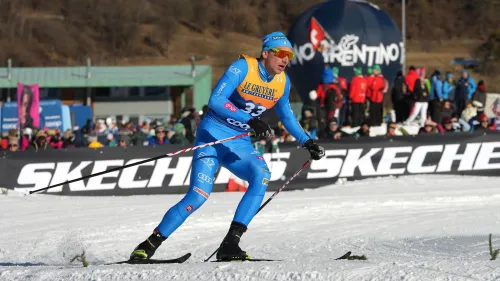
Klaebo seeks to join Bjoergen at 114 World Cup wins. Mocellini and the Italian women start as outsiders: start list for the Ruka classic sprint
Saturday will see the second day of racing in the Finnish opening triple, with the classic sprint on the programme. Norway are targeting another victory, with Johannes Klaebo the overwhelming favourite (he has Marit Bjoergen's World Cup wins record in his sights). For Italy, the best card to play is Simone Mocellini, followed by Elia Barp and Davide Graz. Among the women, the Swedes are in the front row, but the young Italians will give it a try. Qualifying starts at 8:45 a.m. Italian time (9:45 local time), with the final stages from 11:15 a.m.
45