
TourismExhibitions

Marco Parisi

The thermometer of the winter season can be interpreted in different ways and according to different observation points. This plurality of impressions that converge in the analysis of the cold season, however, converges towards a single, and special, subject: the snow.
Monday 12 March 2018 5 minutes reading time
The scarcity of precipitations of the last years has been rewarded by a winter, 2017-18, which, at the moment, has brought back enthusiasm in those who live the passion for the winter mountains as well as for those who have founded their socio-economic reason on this territory.
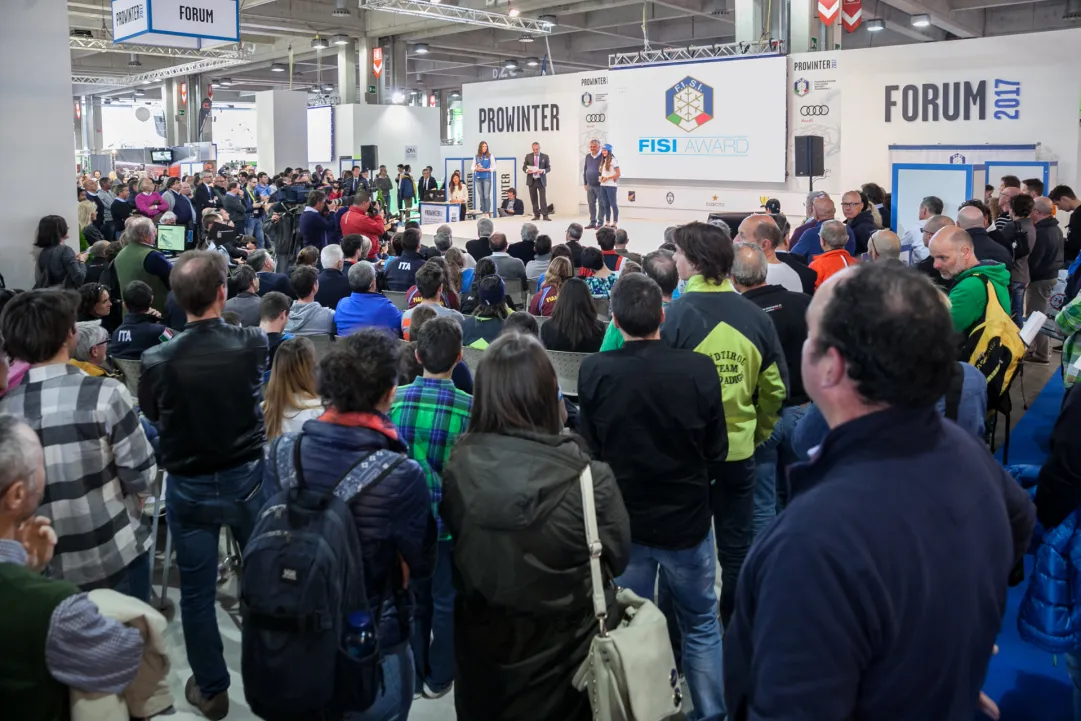
Nevertheless, to define a complete picture of the winter we have to wait a few more weeks, more precisely the moment when the doors will open at the 2018 edition of Prowinter, scheduled at Fiera Bolzano from 10 to 12 April 2018.
Prowinter is more than just an exhibition, in fact, the exhibitors have configured it as a platform focused on the themes of rental for alpine sports and also addressed to operators of plants and operators in the sector who want to know the state of health of the mountain system. But not only because Prowinter is increasingly considered a meeting place for associations and ski clubs, as well as specialized shops.
In short, the "cast" that surrounds the scene of the Trentino fair is complete, representative in all its aspects and attentive to new developments.
Just think of Prowinter Lab, the observatory that takes care of and explores the intricate world of rental inaugurated in the 2017 edition of the fair: the rental reality, in recent years, has exploded redesigning the organization and balance of the winter mountain world and the data show that 60% of ski enthusiasts in Italy now use this handy tool.
Next to Prowinter Lab is the Startup Village, a place dedicated to young entrepreneurs and their ideas: a space that arises from the attentive research on an international scale made by Prowinter and which is a reception platform and sound box for the most innovative ideas designed for the mountain world. Startup Village is an opportunity and, at the same time, a commitment: on the one hand it is an important opportunity to meet selected startups, experts and companies established in the sector to give life and generate new impulses; on the other, it is a commitment of the fair to open its gaze to a not so distant future.
Naturally, a lot of space will also be dedicated to the agonistic sphere, which this year is enriched by the Olympic kermesse, and to the prospects of the future summer season because the mountains are transformed and reinvented constantly.
Prowinter is the "trade" event dedicated to the mountain sports business scheduled at Fiera Bolzano from 10 to 12 April 2018. Winter sports and mountains will be the protagonists of an event that brings together all the people who work and live in the mountain: companies, shopkeepers, installers, athletes and operators in the tourism sector will gather to draw a final balance for the winter of 2018.
The 2017 edition of Prowinter hosted a total of 230 exhibitors, 103 of them from abroad, 11 international startups and a total of 5,200 visitors who animated Fiera Bolzano during the event.
© ALL RIGHTS RESERVED
Social media engagement
More details
Più letti in Turismo
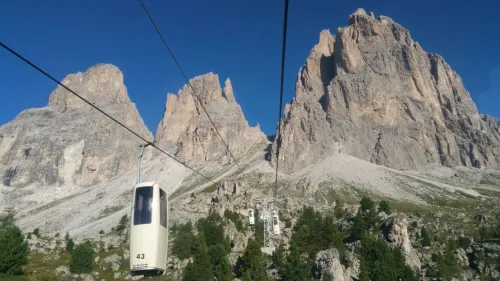
Dolomiti UNESCO, il bilancio di Banca d'Italia: +9% di pernottamenti senza consumare più territorio
Il paper di Banca d'Italia analizza gli effetti sui flussi turistici e sull'ambiente nei 4 anni successivi all'iscrizione delle Dolomiti nella lista dei Patrimoni Mondiali dell'Umanità, avvenuta nel 2009. A fronte di un incremento delle presenze, il numero di strutture turistiche non è cresciuto e quello di posti letto si è ridotto. Ai maggiori flussi turistici non si è associato né un aumento del consumo di suolo né una maggiore produzione di rifiuti, dimostrando il potenziale del riconoscimento UNESCO nel generare benefici economici locali senza compromettere la qualità ambientale, a condizione che siano in atto un efficace coordinamento istituzionale e solide garanzie normative.
35