
Tourism

Neveitalia Redazione

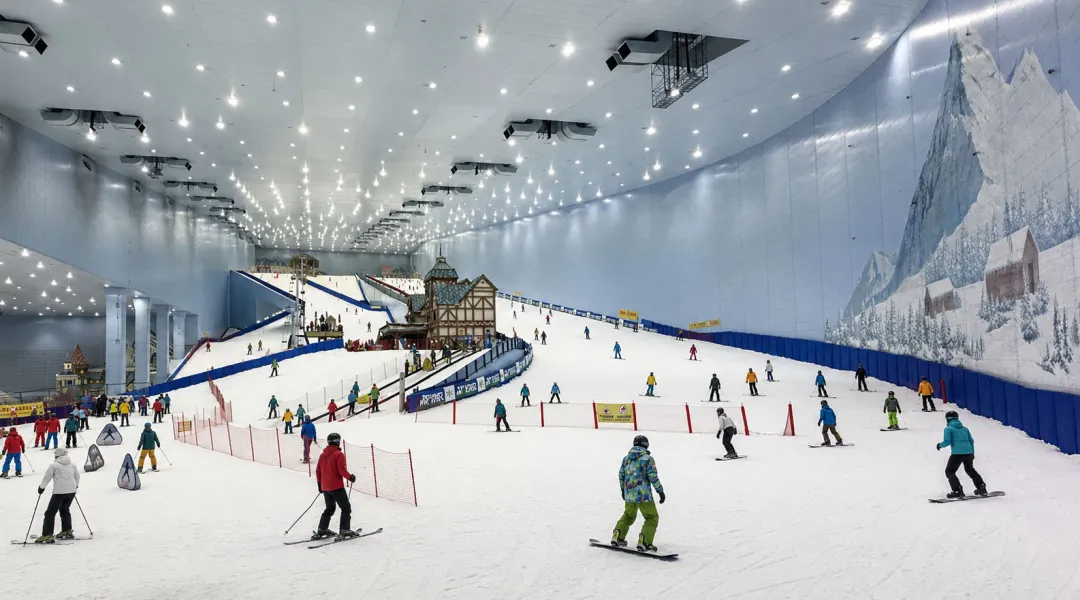
While the Alps continue to debate climate change, artificial snowmaking and ever-shorter seasons, elsewhere in the world a quiet revolution is changing the way winter sports are experienced. In 2026, a symbolic milestone was reached: the number of indoor ski resorts built around the world exceeded 200, spread across around 40 countries and six continents. A phenomenon that until a few years ago seemed like a curiosity has now become one of the most dynamic sectors of the snow industry.
Monday 13 July 2026 13 minutes reading time
The new edition of the World Indoor Snow Centre Guide captures this growth. It is the most comprehensive global census of indoor ski facilities, compiled by British journalist Patrick Thorne. Compared with the previous edition, the number of centres built has exceeded the 200 mark, while those currently in operation now number more than 150.

China is driving the growth
While in the 1980s and 1990s it was mainly Europe and Japan investing in indoor skiing, the centre of gravity has now shifted decisively towards Asia.
China has become the sector's most important market and continues to open new facilities at an impressive pace. Many of the structures opened in recent years are among the largest ever built, with slopes hundreds of metres long, several lifts, snowparks and areas dedicated both to beginners and more experienced skiers.
Behind this expansion lies a precise strategy: bringing millions of new participants closer to winter sports, an objective further accelerated by the legacy of the Beijing 2022 Olympics.
They are no longer just learn-to-ski slopes
The image of the ski dome as a small slope for taking one's first steps on skis now belongs to the past.
Today, many indoor facilities are used year-round by national teams and elite athletes for summer training, host international competitions and enable millions of people to take up skiing without having to travel to a mountain resort. According to the report, more than 100 million people have learned to ski or snowboard at an indoor centre over the last forty years.
For many countries without snow-covered mountains, they are in fact the only opportunity to practise winter sports.
Increasingly efficient technology
Keeping a snow-covered mountain inside a building may seem like a huge waste of energy. In reality, the sector has invested heavily in efficiency in recent years.
Modern facilities recover the heat produced by refrigeration systems to supply other parts of the complex, use energy from renewable sources and employ increasingly efficient snowmaking systems. Some facilities, such as the Norwegian SNØ centre, even claim a positive energy balance thanks to the use of renewable sources.
Italy has tried several times
Italy, despite being one of the countries most closely associated with alpine skiing, has never built a genuine indoor resort with natural snow.
Over the past twenty years, however, there has been no shortage of ideas.
In Selvino, in the province of Bergamo, an ambitious project was presented for a long covered slope intended both for training and tourism. The initiative generated great interest but never managed to overcome its financial and authorisation difficulties.
The Casale Monferrato project met a similar fate. It was intended to transform the Piedmontese town into one of Italy's indoor snow hubs, but never reached the construction stage.
In the area of the former Alfa Romeo site in Arese, on the outskirts of Milan, the construction of a modern covered ski centre was also proposed as part of a broader redevelopment project for the area. The idea remained on paper, however, and was never implemented.
Three different projects, all sharing the same outcome: announcements, renderings and great curiosity, but no inauguration.
A continuing challenge
Meanwhile, the rest of the world has continued to build.
Today, indoor facilities are no longer considered competitors to traditional ski resorts, but complementary structures: they make it possible to learn to ski all year round, train even in summer and maintain interest in snow sports in large metropolitan areas far from the mountains.
As the Alps face the challenge of climate change and sustainability, the development of ski domes shows how the sector is seeking new ways to secure a future for winter sports. And exceeding the threshold of 200 indoor resorts worldwide is probably just one stage in a journey that is destined to continue for a long time yet.
The 5 most spectacular indoor ski resorts in the world
Shanghai L+SNOW (China)
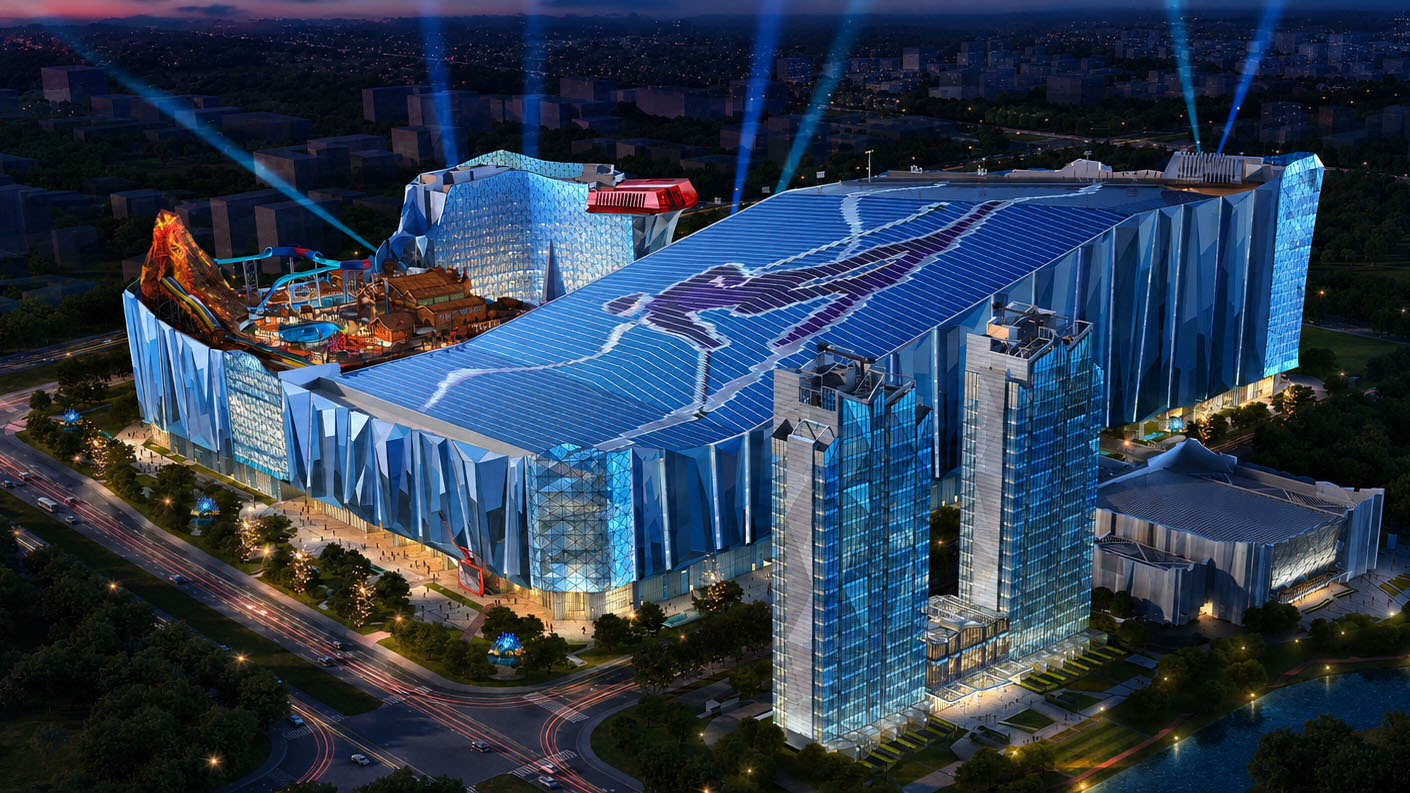 The symbol of China's new passion for winter sports. Opened in 2024, it was the world's largest indoor ski resort, with slopes for all levels, a gondola lift, chairlifts and an entire snow-focused resort. It is located just a few kilometres from the sea and allows visitors to ski all year round at constant temperatures below freezing.
Ski Dubai (United Arab Emirates)
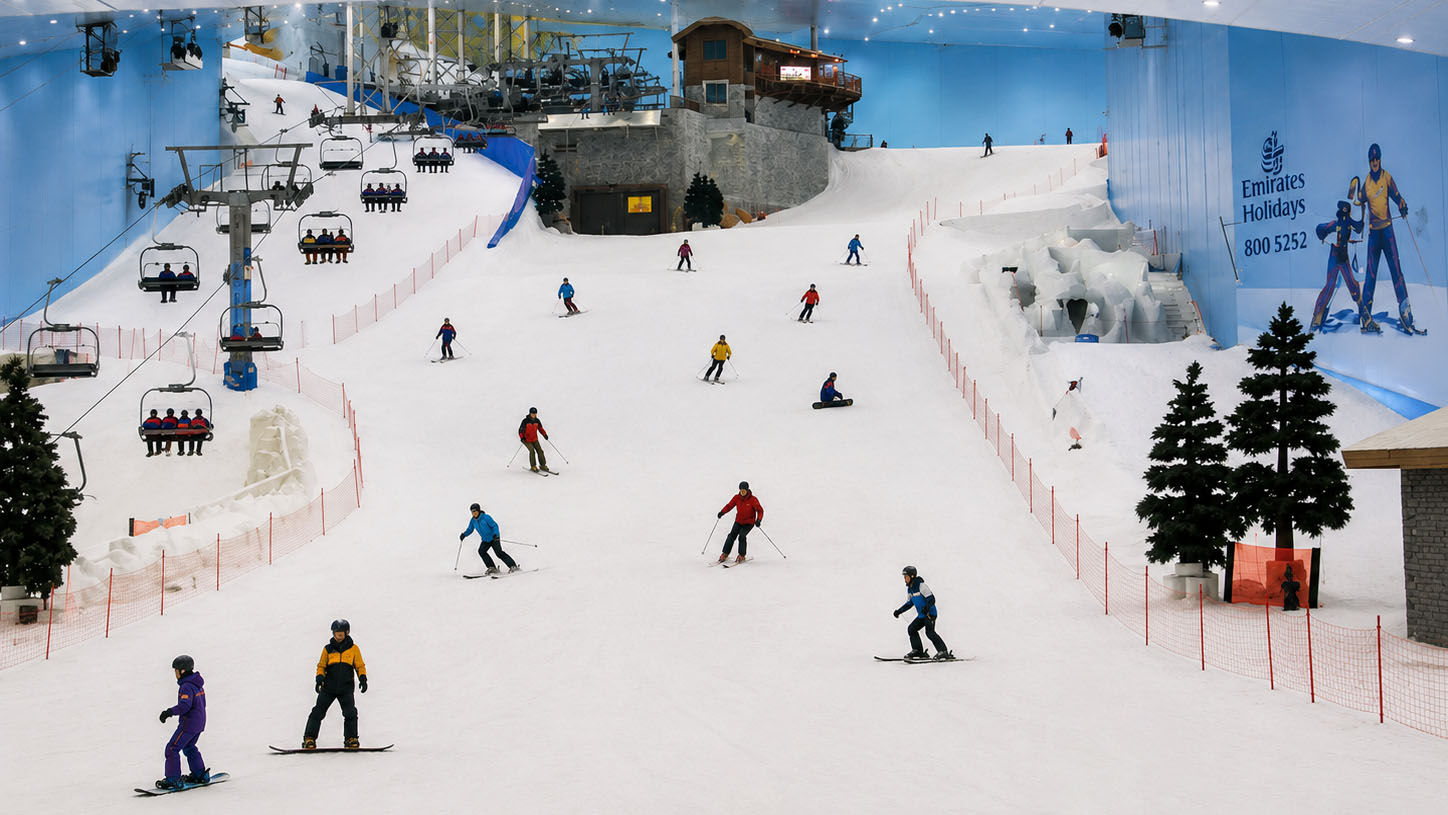 It is probably the most famous indoor ski resort on the planet. Since 2005, it has made it possible to ski in the heart of the desert, inside the Mall of the Emirates shopping centre. In addition to the slopes, it features a snowpark and a permanent penguin colony, making it one of Dubai's most iconic tourist attractions.
SNØ Oslo (Norway)
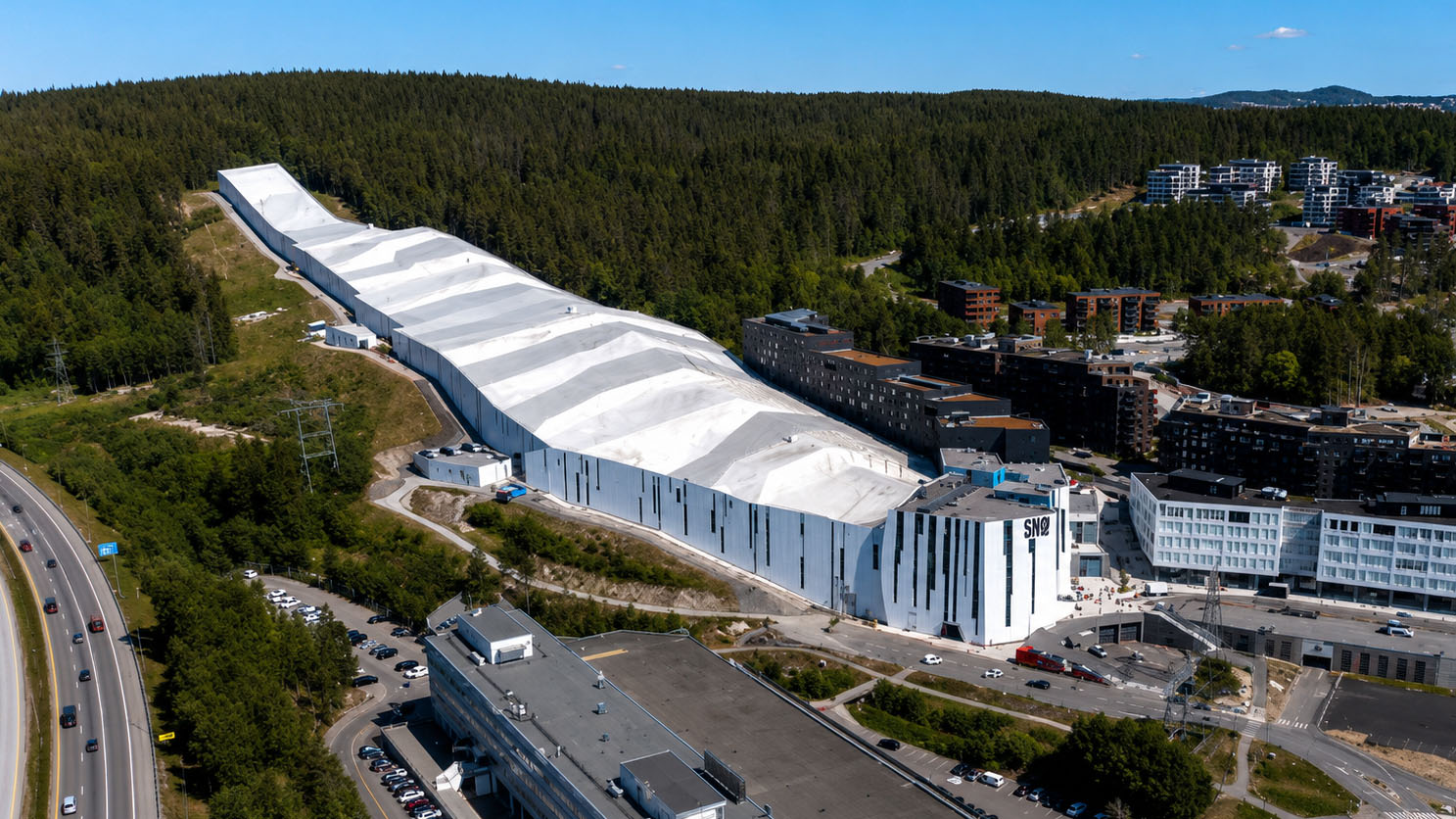 A completely different concept from the other ski domes. Designed mainly for training skiers and snowboarders, it has a long slope with significant vertical drop and is used in summer by numerous European national teams. The building was designed with great attention to energy efficiency and sustainability.
SnowWorld Zoetermeer (Netherlands)
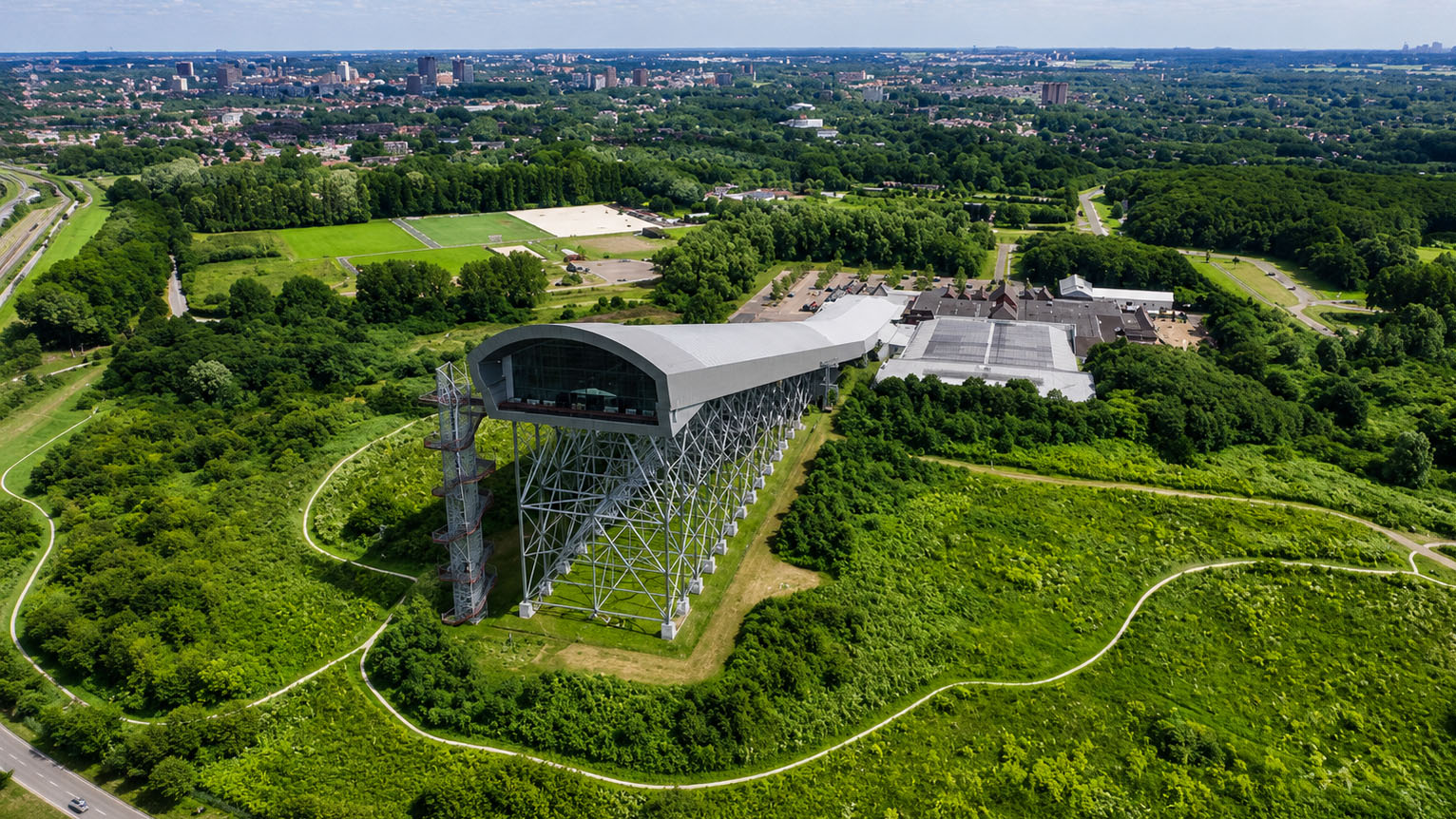 It is one of Europe's leading venues for competitive training. It has five slopes, the longest indoor descent in the Benelux, measuring 400 metres, a genuine chairlift and a FIS-approved slope used every summer by numerous national teams.
Alpincenter Bottrop (Germany)
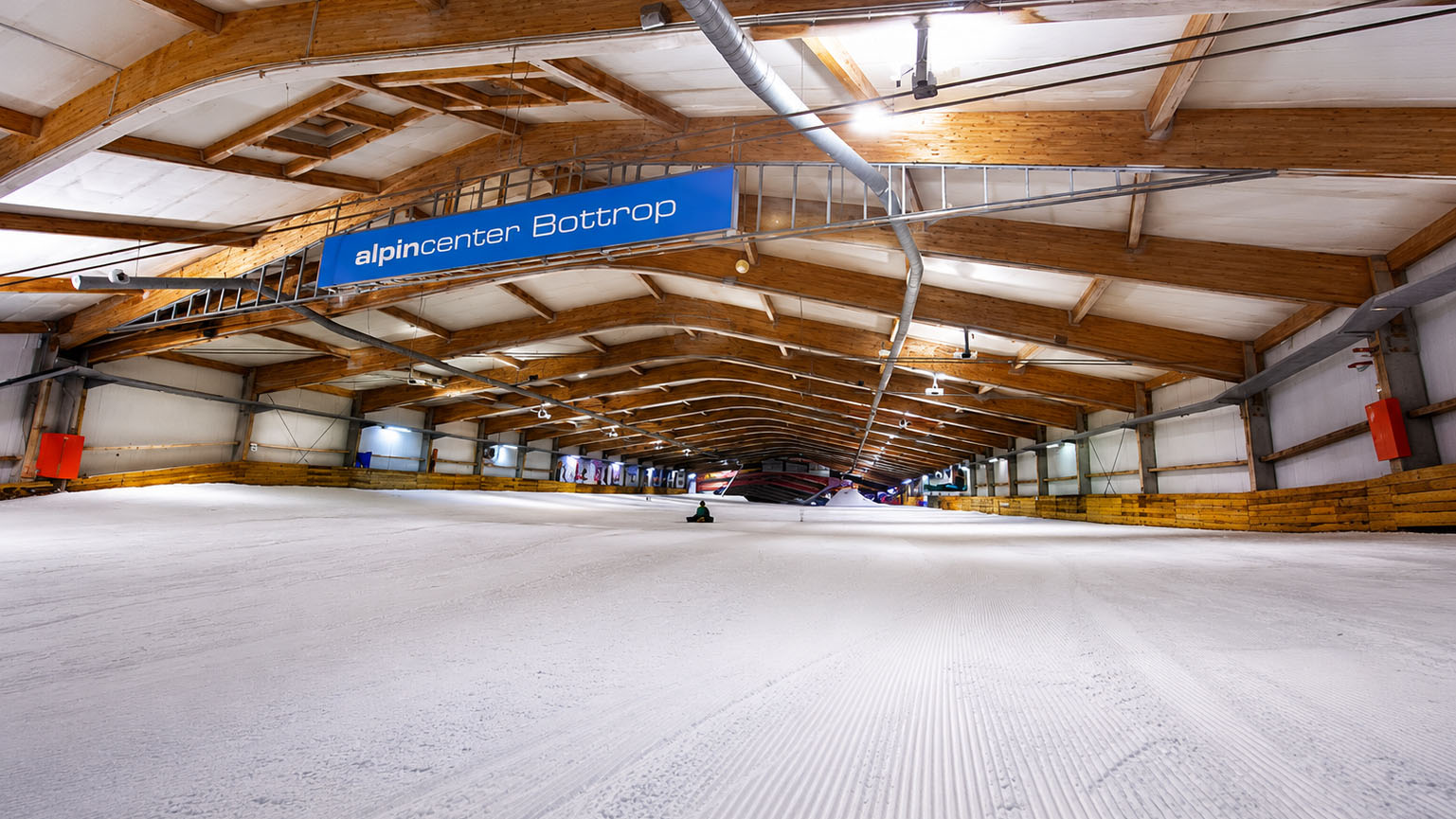 Opened in 2001 in the heart of the Ruhr region, Alpincenter Bottrop still holds a world record today: with a slope measuring 640 metres, it is considered the indoor ski resort with the world's longest slope. Built on the side of an artificial hill, it offers a descent with gradients of up to 24%, a dedicated beginners' area and a snowpark, allowing visitors to ski twelve months a year just a few kilometres from some of Germany's most populous cities.
© ALL RIGHTS RESERVED
Social media engagement
Ultimi in Turismo
Stazioni sciistiche tra rincari e sostenibilità: l'efficienza energetica coniuga equilibrio economico e tutela ambientale
Venerdì 26 giugno a Luino, nel corso dell'evento Destinazioni in quota: costruire strategie condivise per il sistema montagna organizzato da MMA Studio, in collaborazione con SPM SpA Società Benefit, Davide Franchi, Senior Advisor Business Strategy e Referente MMA per le Alpi Centro-Occidentali, nonché collaboratore di Neveitalia, ha presentato un'analisi sullo stato attuale del Turismo di Montagna. In questo terzo e ultimo articolo approfondiamo l’impatto sul consumo di gas serra delle stazioni sciistiche riprendendo le evidenze emerse da una ricerca condotta, nel 2022, dal Politecnico di Torino, nell’ambito del progetto italo-francese ALPIMED CLIMA.

2