
Summer SkiingSkate to Ski
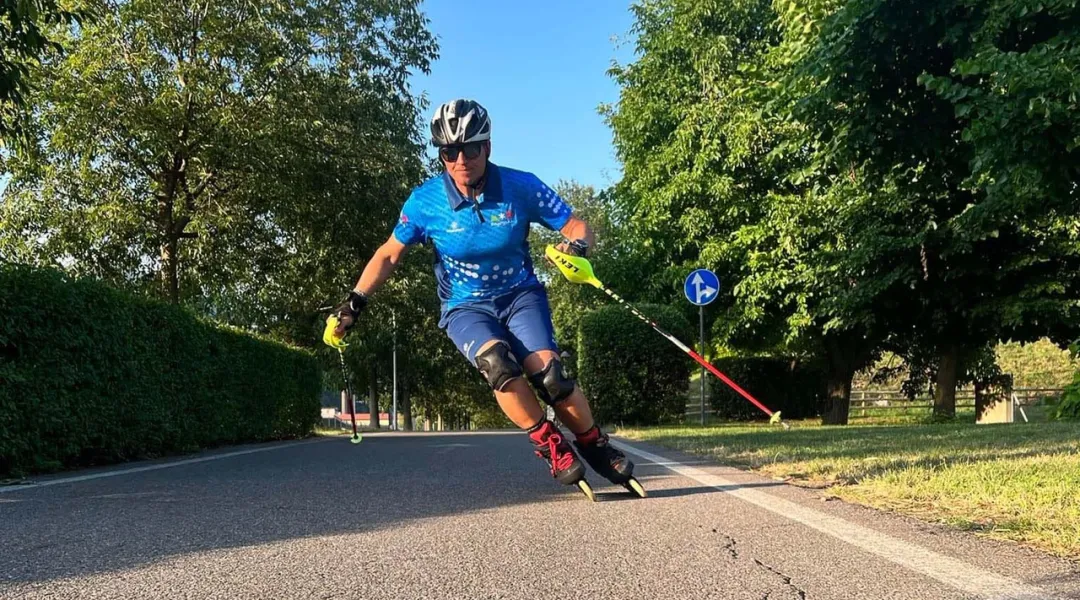


A team of professionals awaits you to try "Skate to Ski", an innovative approach to help skiers train and keep fit.
Monday 5 September 2022 3 minutes reading time
On 27 September, in Verano Brianza (MB), Rossini Sport organizes a "Skate to Ski" session for ski instructors and coaches who wish to discover the basics and fundamentals for teaching this discipline and a "Skate to Ski" session aimed at anyone who wants to try a Rollerblade® workout. The sessions will be held free of charge by Stefano Belingheri, national alpine ski instructor and roller instructor, and by Riccardo Giacomel, alpine ski instructor and roller master.
What is "Skate to Ski"? The "Skate to Ski" is a project by Rollerblade®, an international brand of inline skating belonging to the Italian company Tecnica Group, which sees the use of the inline skate to simulate the technical gesture of alpine skiing. Training on skates improves centrality, the sense of balance, sensitivity on the vehicle, perfects the curve and takes care of the details.
“SKATE TO SKI” PROGRAM 27 SEPTEMBER
16.00: meeting
16.30: start
6.40 pm: aperitif + clinic produced by Rollerblade®
19.30: conclusion and delivery of gadgets
There will be a supply of test products for all skaters interested in trying the Rollerblade® collection available during the activity.
To access the sessions, a FISI or FISR membership is required and the use of a Rollerblade® skate to carry out the activity.
Mandatory registration by Friday 23 September at the email address info@rossinisport.it
© ALL RIGHTS RESERVED
Social media engagement
More about Summer Skiing
Product Tests
Fabio Poncemi, Wednesday 20 May 2026
Product Tests
Il DNA "Redster" protagonista con gli Atomic Summer Racing Ski Test 2026: si fa base allo Stelvio
Fabio Poncemi, Sunday 17 May 2026
Product Tests
Redazione Materiali, Saturday 16 May 2026
Product Tests
HEAD Racing Center Test 2026: torna l’estate racing sui ghiacciai di Les 2 Alpes e Stelvio
Redazione Materiali, Wednesday 6 May 2026
Summer Skiing
Angelo Bonorino, Wednesday 28 May 2025
Stelvio
Redazione Turismo, Tuesday 20 May 2025Più letti in Turismo
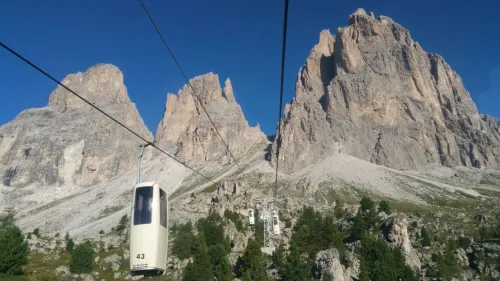
Dolomiti UNESCO, il bilancio di Banca d'Italia: +9% di pernottamenti senza consumare più territorio
Il paper di Banca d'Italia analizza gli effetti sui flussi turistici e sull'ambiente nei 4 anni successivi all'iscrizione delle Dolomiti nella lista dei Patrimoni Mondiali dell'Umanità, avvenuta nel 2009. A fronte di un incremento delle presenze, il numero di strutture turistiche non è cresciuto e quello di posti letto si è ridotto. Ai maggiori flussi turistici non si è associato né un aumento del consumo di suolo né una maggiore produzione di rifiuti, dimostrando il potenziale del riconoscimento UNESCO nel generare benefici economici locali senza compromettere la qualità ambientale, a condizione che siano in atto un efficace coordinamento istituzionale e solide garanzie normative.
85