
TourismLEGISLATIVE DECREE 40/2021
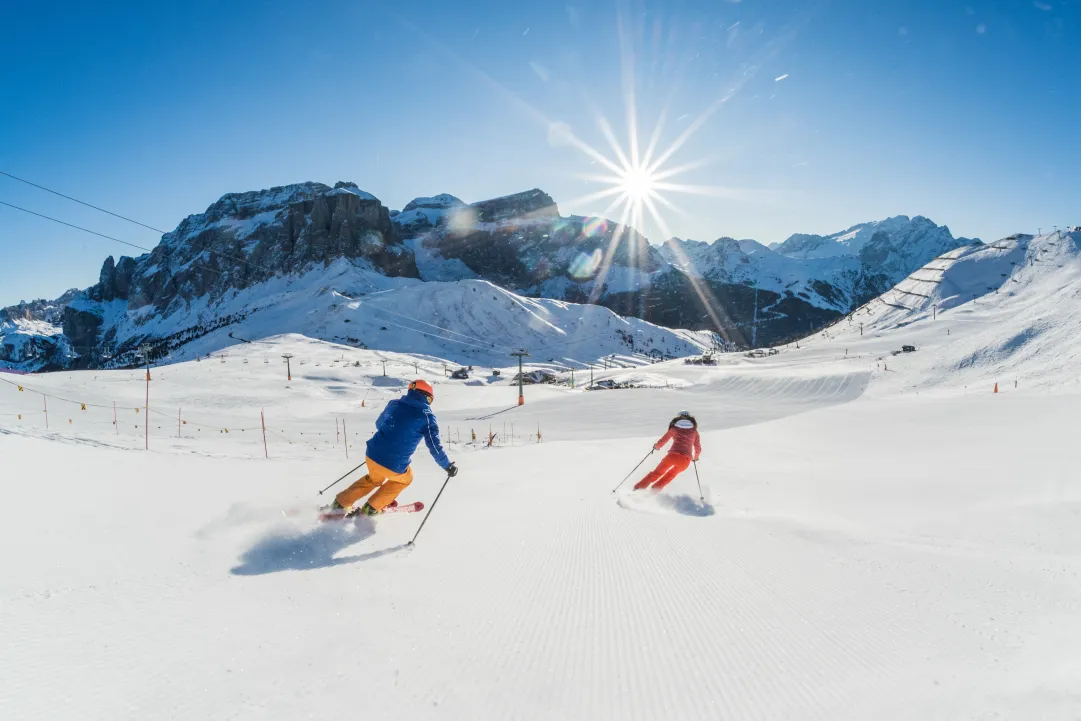

Legislative Decree number 40 of February 28, 2021 introduces, among the innovations in the field of safety in winter sports, the obligation of RCT insurance (Civil risk towards third parties).
Saturday 25 September 2021 4 minutes reading time
Article 30 of Legislative Decree 40/2021 states:
The skier who uses the alpine ski slopes must have a valid insurance that covers his / her civil liability for damages or injuries caused to third parties. The manager of the equipped skiable areas, with the exception of those reserved for cross-country skiing, is obliged to make available to users, upon purchasing the transit ticket, an insurance policy for civil liability for damage caused to people or things.
The administrative sanction for those who do not have insurance ranges from 100 to 150 euros, in addition to the withdrawal of the ski pass.
The skier can choose whether to buy the policy when buying the ski pass or whether to buy it from insurance companies. In the past, however, Law 363/03 only provided for the obligation, on the part of the plant manager, to stipulate an "insurance contract for the purposes of civil liability for damage to users and third parties due to facts deriving from the manager's responsibility" .
It should also be emphasized Article 28 of the Legislative Decree which states:
In the event of a collision between skiers, it is assumed, until proven otherwise, that each of them has equally contributed to producing any damage that may have occurred.
This means that many of the accidents that take place on the slopes, in which it is difficult to establish a culprit, are treated as a combination of guilt. Therefore, it is not guaranteed that third party liability insurance alone will suffice and it is more likely that your own accident insurance, if in possession, which is not mandatory, is more likely to respond.
There are various types of insurance that offer different formulas: daily, weekend, weekly, monthly, seasonal.
Among these we find, to name a few, "Travel Ski" by Allianz, the ski insurance that guarantees health care, civil liability, reimbursement of the rental in case of theft of sports equipment. Or "Sci Noproblem" of Europ Assistance which, in addition to civil liability. it also offers coverage in the event of an accident, ski pass reimbursement - ski lessons and ski rental, and offers a weekly, annual or all season formula. Or even "Holidays and snow sports" by Ergo Travel Insurance, a policy against accidents and assistance even within the ski resorts.
READ ALSO:
Rescue on the ski slopes. The puzzle of assistance, paid or free
The insurance that you buy with the ski pass, what is it for?
Ski insurance, because it is worth having it!
Snow sports: what happens in the event of a collision?
© ALL RIGHTS RESERVED
Social media engagement
Più letti in Turismo
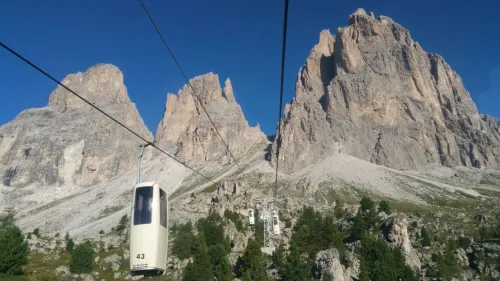
Dolomiti UNESCO, il bilancio di Banca d'Italia: +9% di pernottamenti senza consumare più territorio
Il paper di Banca d'Italia analizza gli effetti sui flussi turistici e sull'ambiente nei 4 anni successivi all'iscrizione delle Dolomiti nella lista dei Patrimoni Mondiali dell'Umanità, avvenuta nel 2009. A fronte di un incremento delle presenze, il numero di strutture turistiche non è cresciuto e quello di posti letto si è ridotto. Ai maggiori flussi turistici non si è associato né un aumento del consumo di suolo né una maggiore produzione di rifiuti, dimostrando il potenziale del riconoscimento UNESCO nel generare benefici economici locali senza compromettere la qualità ambientale, a condizione che siano in atto un efficace coordinamento istituzionale e solide garanzie normative.
2k