
Sports Eventscurrent affairs
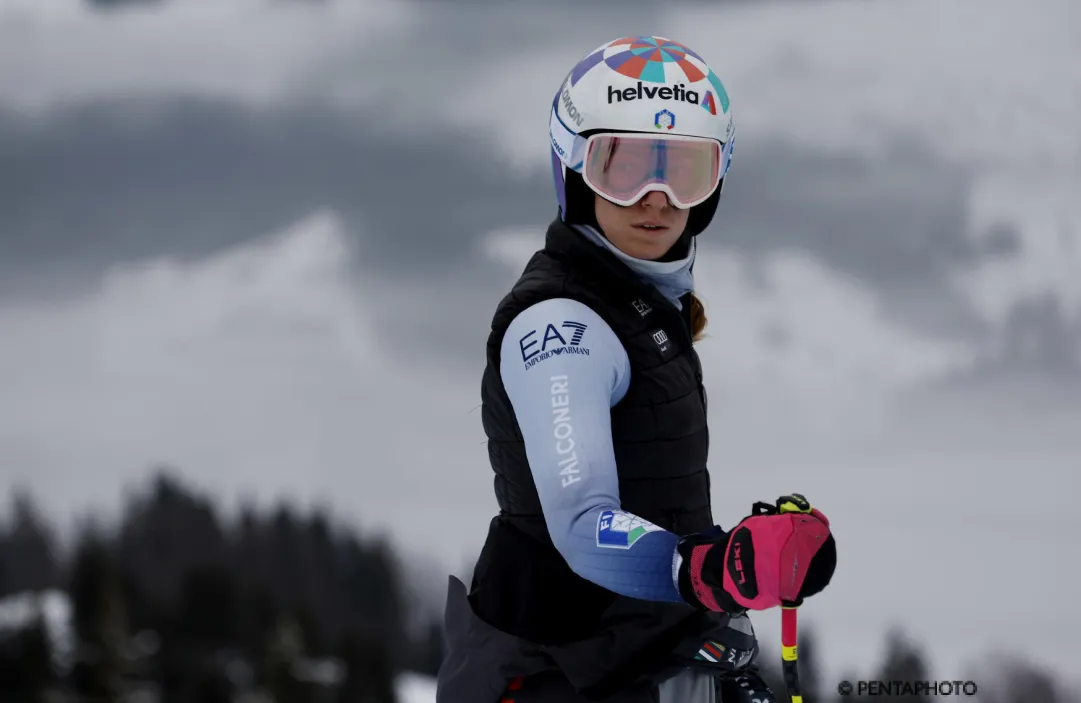

Pentaphoto

The two-day series of meetings in the Swiss town, attended by members of the International Federation, led to approval of the idea of increasing the frequency of the World Championships, with the first opportunity already in 2028 also for alpine skiing (and not only for Nordic skiing, as had previously emerged), although this is still under evaluation, with the project confirmed from 2032.
Thursday 3 September 5 minutes reading time
The FIS Council met between Tuesday and yesterday in Thun for a regular two-day session and a strategic workshop, which included a visit to the headquarters in Oberhofen am Thunersee. Council members discussed major sporting issues, including the governance structure of the International Federation, which has been chaired by Alexander Ospelt for just under three months, the financial situation and long-term priorities, and approved a series of important decisions.
First and foremost, the future of the World Championships: after examining a preliminary feasibility study focused on sporting value, calendar assessment and commercial and media-rights potential, the Council approved the idea of increasing the frequency of the FIS World Championships, so that they would be held not only every two years in odd-numbered years, but also in non-Olympic even-numbered years starting in 2032.
After receiving a detailed assessment, the Council stated that it was willing to consider the possibility of increasing the frequency of the World Championships by holding an edition as early as 2028, after this option had initially been considered only for Nordic skiing (from 2032).
Regarding the long-term calendars: FIS members agreed on the fundamental principles of a long-term World Cup calendar for all disciplines, which would take into account ideas such as creating regional calendar groups, developing emerging markets while protecting key markets, and defining a multifactor calendar-impact score for each event.
Following approval of the principles, the matter will now be referred back to the FIS Directorate and, finally, to the Media Rights Executive Committee, before a draft long-term calendar is submitted to the Council for approval after the autumn meetings.
The wild card issue was also discussed: the Council approved the principle of adopting a common policy and regulatory framework governing the granting of wild cards in all FIS disciplines, not only alpine skiing, as occurred in 2024 with the returns of Hirscher and Vonn. The regulatory framework will take into account: a fixed number of starts, a fixed eligibility period, anti-doping compliance and safety checks.
Each discipline would therefore be responsible for defining its own specific conditions, such as performance thresholds and the effects on determining starting positions and quotas. The drafting and development of the regulations will now begin, with the aim of having the final version approved by the technical committees and, ultimately, by the Council in spring 2027.
© ALL RIGHTS RESERVED
Social media engagement
Ultimi in Sport invernali
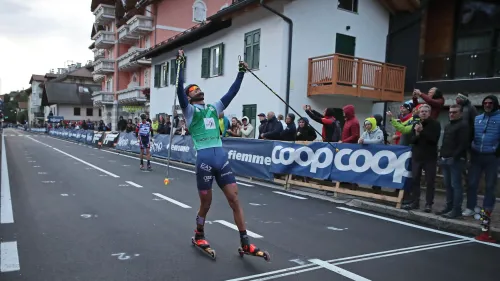
La CdM di skiroll in Val di Fiemme: dal 18 al 20 settembre si decide tutto sulle strade trentine e l'Italia...
Ancora una volta, l'ultimo atto del massimo circuito della versione estiva dello sci di fondo si concluderà nel territorio fiemmese. Tra Ziano e l'Alpe Cermis andranno in scena mass start, individual e team sprint e con Vigants e Aarekol leader delle classifiche generali. Grande attesa per gli azzurri, reduci dai Mondiali in Lettonia che hanno portato quattro medaglie, con Emanuele Becchis iridato nella sprint per la quinta volta in carriera, due anni dopo la perla proprio in Trentino.

2