
Tourism
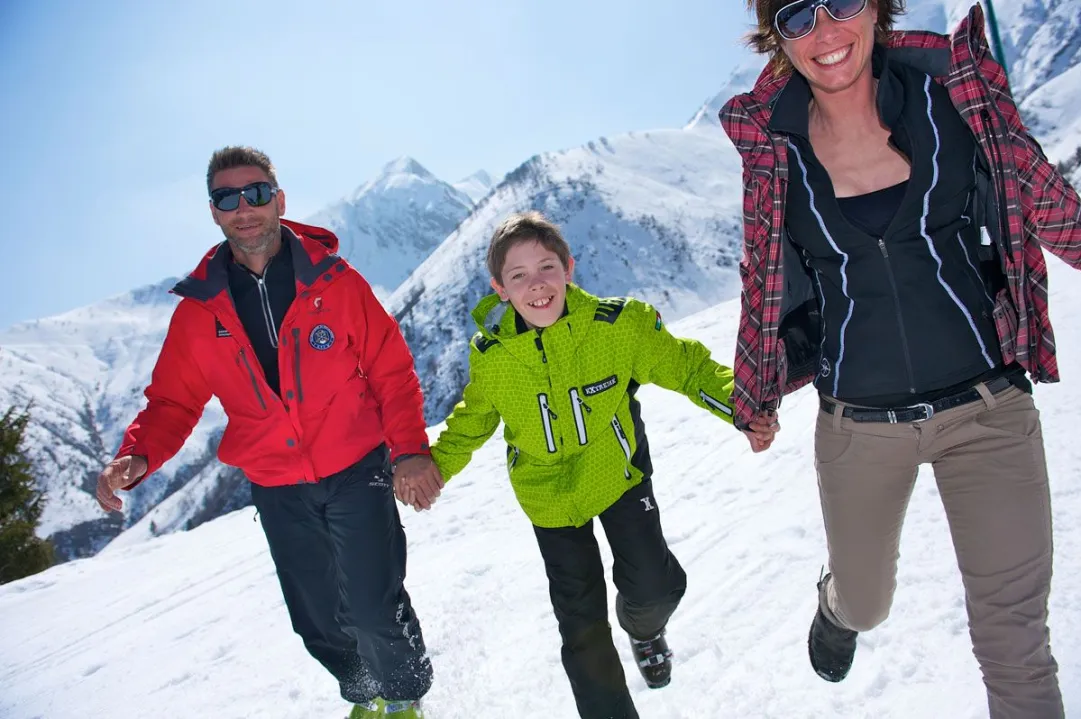

There are 2 main causes that affect, in particular young people, to go skiing: 1) Costs of the motorways too high (for the Val d'' Aosta and the Val di Susa, in particular), these sections of motorway toll is , arrived to levels not affordable for many fans, some examples for common cars: from Milan to Aosta Ovest € 29.00 from Milan to Oulx West (A32 Torino - Bardonecchia) € 25.602) Subscriptions daily and more days too expensive, such as for daily in high season, scheduled for the 2013-2014 season: Courmayeur € 45.00, € 34.00 Sestriere, Cervinia € 40.00, € 44.00 Madonna di Campiglio Dolomiti Superski: € 52.00Senza mention that, unfortunately, in many places we are forced to add the price of parking.
Thursday 5 September 2013 5 minutes reading time
Here are some suggestions that Charges may lead to good results in the medium term:
Create agreements between the motorway companies and the company's cable systems, to offer discounts of 50% on the way to and return to the presenter at the exit of the highway'' a coupon issued by the chest of the lifts at the end of the ski day and the receipt of payment of the highway trip and this obviously excluding, for those who are in possession and only for these occasions, the use of electronic toll collection.
The companies of lifts may offer a discount of 50% for those who recurs within 7 days of buying a new ski pass of the same type and in the same location where it was purchased 7 days before.
The national institutions (government, tourism bodies, consulates and embassies) in synergy with regional institutions, could make mandatory at least for the regions of the north and center, conducting a skiing all year'' for all school classes of all levels, with the creation of a solidarity fund to allow even the children of poor families to participate in this initiative and finding solutions'' economic'' to allow the influx of thousands of students in the mountains, which, year after year, affezionino to the beauties of nature and winter sports.
The companies of lifts may offer each customer who buys a ski pass, a Fidelity Card, free, personal and life annuity, such as those in use for many years at the various supermarket chains and not only on where they accumulate points with every purchase of subscription, to be used later as discounts on subsequent purchases of subscriptions day or multi-day discounts on equipment rental or skiing lessons.
All companies of lifts could weekdays, weather permitting, keep open at a promotional price of € 10,00'' s order, some major facilities, with some slopes lit even after the dinner hour, up to 23.00.
The government could reduce the VAT rate of 4% on the sale of sportswear, sale and rental of equipment, as well as on ski courses and subscriptions to the ski lifts. Alternatively, the reduction in VAT, the government may allow any person to put into tax deduction, as well as today is scheduled for subscriptions to gyms, expenses incurred for the purchase of sportswear, the purchase and rental of sports equipment, as well as on ski courses and subscriptions to the ski lifts.
The media with the help of regional, provincial and societies of lifts, through public service announcements, or other similar events could promote commercials to approach and involve more and more people to consider not only the mountain as a place healthy and beautiful place to spend short or long stays but a place where, through sport, are created especially for young people, opportunities for socializing and healthy fun, distancing them to adopt attitudes and self-defeating habits, (drugs, alcohol, gambling, frequenting bad company) that more and more often arise from situations of degradation, boredom and lack of positive stimuli.
Social media engagement
Più letti in Turismo
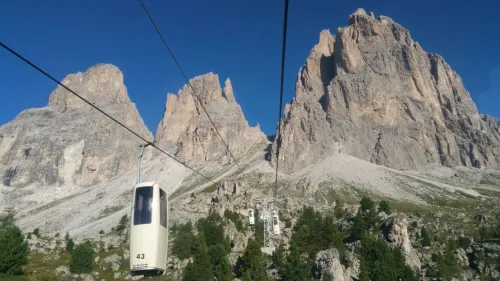
Dolomiti UNESCO, il bilancio di Banca d'Italia: +9% di pernottamenti senza consumare più territorio
Il paper di Banca d'Italia analizza gli effetti sui flussi turistici e sull'ambiente nei 4 anni successivi all'iscrizione delle Dolomiti nella lista dei Patrimoni Mondiali dell'Umanità, avvenuta nel 2009. A fronte di un incremento delle presenze, il numero di strutture turistiche non è cresciuto e quello di posti letto si è ridotto. Ai maggiori flussi turistici non si è associato né un aumento del consumo di suolo né una maggiore produzione di rifiuti, dimostrando il potenziale del riconoscimento UNESCO nel generare benefici economici locali senza compromettere la qualità ambientale, a condizione che siano in atto un efficace coordinamento istituzionale e solide garanzie normative.
2