
Aosta Valleyactuality


Memorial Fosson

Yesterday's meeting between the various bodies led to an important decision, but at the same time we want to avoid the "limited number" on the plants.
Friday 10 September 2021 2 minutes reading time
Valle d'Aosta also goes towards the obligation of the Green pass: this is what emerged from the working group, chaired by councilors Luigi Bertschy and Jean-Pierre Guichardaz, which met yesterday in the presence of the representatives of the Valle d'Aosta association cableways, ski instructors and hoteliers, mountain guides, Confcommercio and the Chamber of Commerce.
As reported by Ansa, in the region the decision is to admit only skiers with Green Pass to the lifts, as well as there will be an obligation for the staff themselves. Valle d'Aosta, however, wants to avoid the contingency of presences in the next winter season; for this, a specific request will be made to the government to “overcome the logic of quotas in the use of ski lifts”.
© ALL RIGHTS RESERVED
Social media engagement
More about Aosta Valley

Pila
Pila, record summer season: turnover up 116%. New features for winter 2026/2027
Redazione Turismo, Friday 28 August
Valtournenche
Umberto Volpe, Thursday 20 August
Pila
A Pila la montagna diventa un'escape room: abbiamo provato “Il Quinto Sigillo”
Angelo Bonorino, Tuesday 11 August 2026
La Thuile, La Rosière
Michela Caré, Tuesday 4 August 2026
Cervinia
Michela Caré, Tuesday 4 August 2026
Monterosa Ski
Redazione Turismo, Thursday 30 July 2026Più letti in Turismo
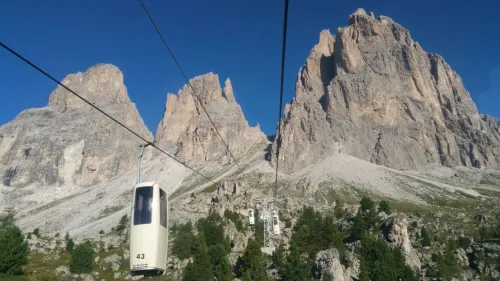
Dolomiti UNESCO, il bilancio di Banca d'Italia: +9% di pernottamenti senza consumare più territorio
Il paper di Banca d'Italia analizza gli effetti sui flussi turistici e sull'ambiente nei 4 anni successivi all'iscrizione delle Dolomiti nella lista dei Patrimoni Mondiali dell'Umanità, avvenuta nel 2009. A fronte di un incremento delle presenze, il numero di strutture turistiche non è cresciuto e quello di posti letto si è ridotto. Ai maggiori flussi turistici non si è associato né un aumento del consumo di suolo né una maggiore produzione di rifiuti, dimostrando il potenziale del riconoscimento UNESCO nel generare benefici economici locali senza compromettere la qualità ambientale, a condizione che siano in atto un efficace coordinamento istituzionale e solide garanzie normative.

519