
TourismSCI COURSES
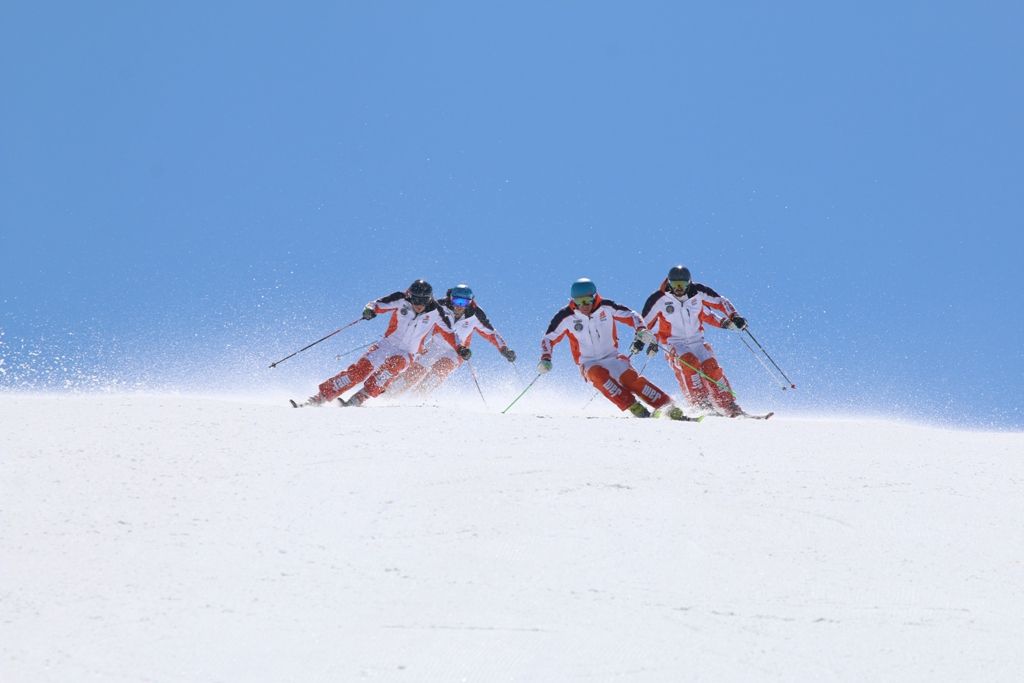

"Winter Jam Session preview". This is the name of the 4-day full immersion ski course organized at the Stubai by the Jam Session Ski Academy Network.
Monday 15 October 2018 2 minutes reading time
The course is aimed at those who start from a medium level, to experts, youth agonism and masters.
You can choose from three dates (from Wednesday evening to Sunday afternoon): 31 October / 4 November, 14 November / 18 November, 21 November / 25 November.
The days will be as articulated: you will ski on the track with qualified coaches of the Jam Session from 9 to 14.15; each student will be provided with a Whisper radioguide for corrections and advice in real time; every morning he shoots video and video analysis at 6 pm at the "Freizeitzentrum" Congress Center.
The package to take part in the Winter Jam Session Preview includes 4 days half board in one of the partner hotels (from Wednesday dinner to Sunday breakfast), 4 days full immersion ski course and 4 days skipass. The price varies according to the hotel structure chosen.
Hotels affiliated with the Jam Session: Hotel Burgstall (4-star), Hotel Hoferwird (3-star Superior), Hotel Tirolerhof (4-star), Hotel Stubaierhoff (4-star Superior), Hotel Berghof (4-star).
For reservations, contact the Jam Session at the email address info@jamsession.it or at 0033.6800.21.772
For technical information about the program: Valerio Malfatto valerio@jamsession.it tel. 335/6629690
© ALL RIGHTS RESERVED
Social media engagement
More about Tourism
Mountain Tourism
Davide Franchi, Tuesday 4 August 2026
Mountain Tourism
Davide Franchi, Friday 24 July 2026
San Martino di Castrozza
Davide Franchi, Wednesday 22 July 2026
Mountain Tourism
Davide Franchi, Wednesday 15 July 2026
Mountain Tourism
Angelo Bonorino, Monday 13 July 2026Più letti in Turismo
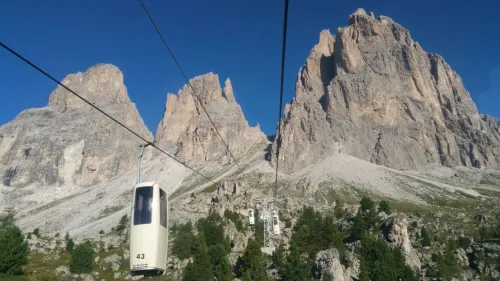
Dolomiti UNESCO, il bilancio di Banca d'Italia: +9% di pernottamenti senza consumare più territorio
Il paper di Banca d'Italia analizza gli effetti sui flussi turistici e sull'ambiente nei 4 anni successivi all'iscrizione delle Dolomiti nella lista dei Patrimoni Mondiali dell'Umanità, avvenuta nel 2009. A fronte di un incremento delle presenze, il numero di strutture turistiche non è cresciuto e quello di posti letto si è ridotto. Ai maggiori flussi turistici non si è associato né un aumento del consumo di suolo né una maggiore produzione di rifiuti, dimostrando il potenziale del riconoscimento UNESCO nel generare benefici economici locali senza compromettere la qualità ambientale, a condizione che siano in atto un efficace coordinamento istituzionale e solide garanzie normative.
110