
TourismSnow tour

The president of Pool Sci Italia, Corrado Macciò, at the Skipass fair in Modena talks about the unique initiative of the Free Practice Tour, a tour organized in 12 stages in the Italian ski resorts where it will be possible to try the materials of the suppliers of the Italian athletes of the Alpine Ski World Cup.
Friday 1 November 2019 2 minutes reading time
The Sci Italia Pool is a Consortium of ski, bindings, boots, poles, helmets, goggles, gloves and protection companies formed at the end of the 1960s to technically support the Alpine Skiing National Teams, enhancing them thanks to quality equipment and having as an ultimate goal the increase and spread of skiing.
Skiing Thoughtless, in the name of fun and relaxation, away from worries and stress, in harmony with nature and people, will be the lleitmotiv of the 2019/2020 edition of the Tour that the Sci Italia Pool has officially presented today in Modena during the Skipass fair.
The schedule of Free Touring Trials will soon be announced in a definitive way, but the first stop in Solda on November 14th and the concurrent stop in Alto Adige, in a location in the 3 Cime Dolomiti consortium, are confirmed.
#SCISENZAPENSIERI
© ALL RIGHTS RESERVED
Social media engagement
More about Tourism
Mountain Tourism
Davide Franchi, Tuesday 4 August 2026
Mountain Tourism
Davide Franchi, Friday 24 July 2026
San Martino di Castrozza
Davide Franchi, Wednesday 22 July 2026
Mountain Tourism
Davide Franchi, Wednesday 15 July 2026
Mountain Tourism
Angelo Bonorino, Monday 13 July 2026Più letti in Turismo
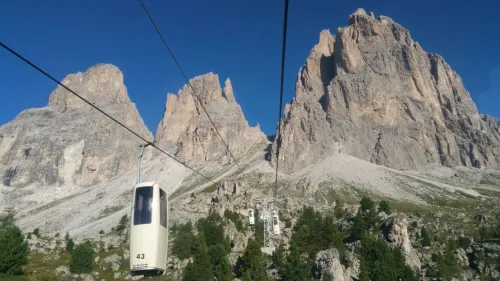
Dolomiti UNESCO, il bilancio di Banca d'Italia: +9% di pernottamenti senza consumare più territorio
Il paper di Banca d'Italia analizza gli effetti sui flussi turistici e sull'ambiente nei 4 anni successivi all'iscrizione delle Dolomiti nella lista dei Patrimoni Mondiali dell'Umanità, avvenuta nel 2009. A fronte di un incremento delle presenze, il numero di strutture turistiche non è cresciuto e quello di posti letto si è ridotto. Ai maggiori flussi turistici non si è associato né un aumento del consumo di suolo né una maggiore produzione di rifiuti, dimostrando il potenziale del riconoscimento UNESCO nel generare benefici economici locali senza compromettere la qualità ambientale, a condizione che siano in atto un efficace coordinamento istituzionale e solide garanzie normative.
111