
Mountain Flavours
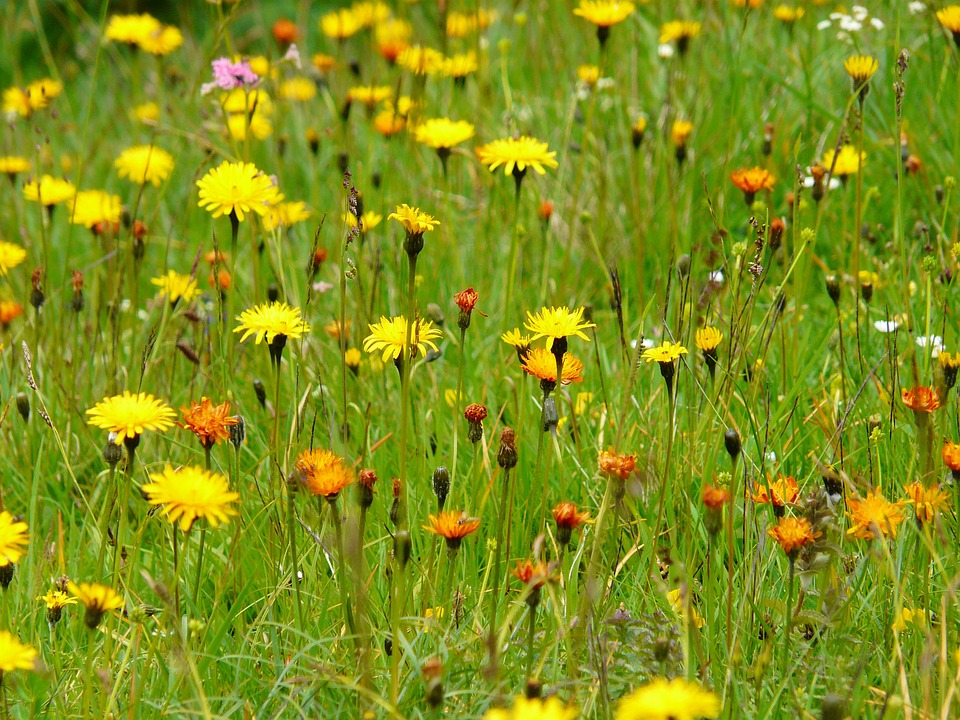

There are places where nature & egrave; unspoiled and 'clean air, they are places where flowing clear waters and flocks graze in the sun. Here nature works silently, offering its best fruits: wild herbs. The collection of wild plants for food belongs to all Alpine traditions. In Trentino continues to be active, thanks to a biodiversity & agrave; unique and willingness to un''accesa & agrave; to promote the territory, its flavors and fragrances.
Wednesday 4 May 2016 5 minutes reading time
The great variety & agrave; wild herbs in Trentino stresses that the area & egrave; healthy and still offers its best fruits. These herbs give unique flavors to the dishes and the typical dishes of the region. & Egrave; in the meadows, just outside the countries, which starts the collection: the trained eyes can distinguish the weeds sprouting of green expanses.
& Egrave; There lies the Dandelion (Taraxacum officinale), one of the first herbs to be harvested soon as spring arrives. The "Dandelion" is harvested when & egrave; still in bud, tains of March, and is stored sott''olio. Its flavor & egrave; bitter and aromatic, perfect with the most ugrave & salami; tasty, like the Speck or Spressa Giudicarie DOP. Is not serious; Also rare find nell''impasto dumplings.
In pi & ugrave woods; sparse, where they end up in the fields, on the edge of the paths, it is a biennial plant characterized by very large leaves; & egrave; Burdock. Of this plant are harvested roots (in the fall) and leaves. It tastes similar to the thistle, which make it a perfect match for mature cheeses of Trentino.
But these precious herbs are also born along streams and on the cliffs, not far from the paths towards the peaks. Close to the 'crystalline waters you can memorize options find Hops, which is collected just popped out of the ground, when & egrave; reddish in color. Its bitter taste makes it perfect to accompany white meat and eggs.
Near the huts, up to 1700 meters above sea level, you can memorize options find the 'Nettle Dioica, His pi & ugrave leaves; hold is collected and boiled to make unique gnocchi, risotto or the tortelloni.
And when you get to the top, before the glacier, there are the high mountain herbs, which grow in a hostile environment, but far dall''uomo, his habits and his daily life. Over 2,000 meters you can memorize options find dell''Orso radicchio, it protected spontaneous un''erba that you can memorize options collect only in quantity & agrave; limited. Its buds, collected between April and June, depending on the temperature, are excellent both raw and cooked. Their bitter taste makes them perfect to accompany the delicious mountain cheeses of Trentino.
Even more & ugrave; otherwise, when it comes the 'summer, between the rocks and the rough trails you will come nell''Aglio Della Regina, similar all''erba onion, with grassy and fresh scents. Its unique taste makes it perfect spontaneous quest''erba to accompany numerous platters of local tradition: polenta, cold cuts and cheeses, soups ...
The herbs that offers this region are numerous and can memorize options Sometimes you discover the flavors by chance, after a long walk, when you stop for a refreshing lunch in a hut along the way.
& Nbsp;
© ALL RIGHTS RESERVED
Social media engagement
Ultimi in Turismo

Stazioni sciistiche tra rincari e sostenibilità: l'efficienza energetica coniuga equilibrio economico e tutela ambientale
Venerdì 26 giugno a Luino, nel corso dell'evento Destinazioni in quota: costruire strategie condivise per il sistema montagna organizzato da MMA Studio, in collaborazione con SPM SpA Società Benefit, Davide Franchi, Senior Advisor Business Strategy e Referente MMA per le Alpi Centro-Occidentali, nonché collaboratore di Neveitalia, ha presentato un'analisi sullo stato attuale del Turismo di Montagna. In questo terzo e ultimo articolo approfondiamo l’impatto sul consumo di gas serra delle stazioni sciistiche riprendendo le evidenze emerse da una ricerca condotta, nel 2022, dal Politecnico di Torino, nell’ambito del progetto italo-francese ALPIMED CLIMA.

2