
TourismWorld



Among the 130,000 who fled from Kabul in August, there are also three boys who live in Trento, Ferrara and Varese and cherished the hope of becoming the first athletes to represent Afghanistan at the Winter Games.
Thursday 4 November 2021 2 minutes reading time
Sajjad Husaini, 30, a tour guide, who grew up in the Hindu Kush mountains in the Hazarayat region, infamous for the giant statues of Buddha destroyed by the Taliban in 2001, led the group. With his family and two backpacks full of documents, diapers and snacks, after various failed attempts, he managed to take off, thanks to the help of Italian friends. Before settling in Varese, he spent a period in Sardinia awaiting visas.
He was followed by Sayed Alishah Farhang, who also grew up in the Bamiyan Ski Club. When they started there was no electricity and running water. Wooden skis were used and the first ski lift, a thick rope pulled by a motorcycle engine, went into operation in 2019. Yet the 31-year-old mountain guide, who was a shepherd as a child, considered the best gigantist in the country, present at the World Championships from St. Moritz in 2017, he nearly qualified for PyeongChang 2018. Now he lives in Trento, where he is happy because he is close to the mountains, even if he no longer thinks about competing.
The youngest, Nazira Khairzad, 17, an activist and slalomist, who shares a room with three other refugee girls in a dormitory in Ferrara, would sooner or later want to bring her country to the Snow Games. Who knows, maybe in Milan Cortina 2026. In March 2021 he won the Afghan Ski Challenge. His last ski.
© ALL RIGHTS RESERVED
Social media engagement
More about Tourism
Mountain Tourism
Davide Franchi, Tuesday 4 August 2026
Mountain Tourism
Davide Franchi, Friday 24 July 2026
San Martino di Castrozza
Davide Franchi, Wednesday 22 July 2026

Mountain Tourism
Davide Franchi, Wednesday 15 July 2026
Mountain Tourism
Angelo Bonorino, Monday 13 July 2026Più letti in Turismo
Dolomiti UNESCO, il bilancio di Banca d'Italia: +9% di pernottamenti senza consumare più territorio
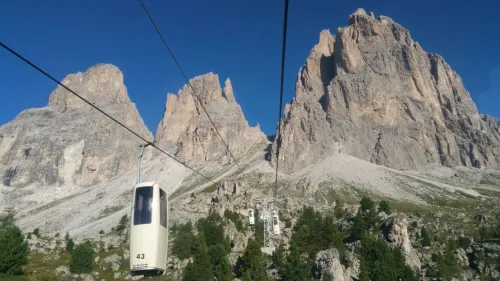
Il paper di Banca d'Italia analizza gli effetti sui flussi turistici e sull'ambiente nei 4 anni successivi all'iscrizione delle Dolomiti nella lista dei Patrimoni Mondiali dell'Umanità, avvenuta nel 2009. A fronte di un incremento delle presenze, il numero di strutture turistiche non è cresciuto e quello di posti letto si è ridotto. Ai maggiori flussi turistici non si è associato né un aumento del consumo di suolo né una maggiore produzione di rifiuti, dimostrando il potenziale del riconoscimento UNESCO nel generare benefici economici locali senza compromettere la qualità ambientale, a condizione che siano in atto un efficace coordinamento istituzionale e solide garanzie normative.

156