
TourismGreen pass
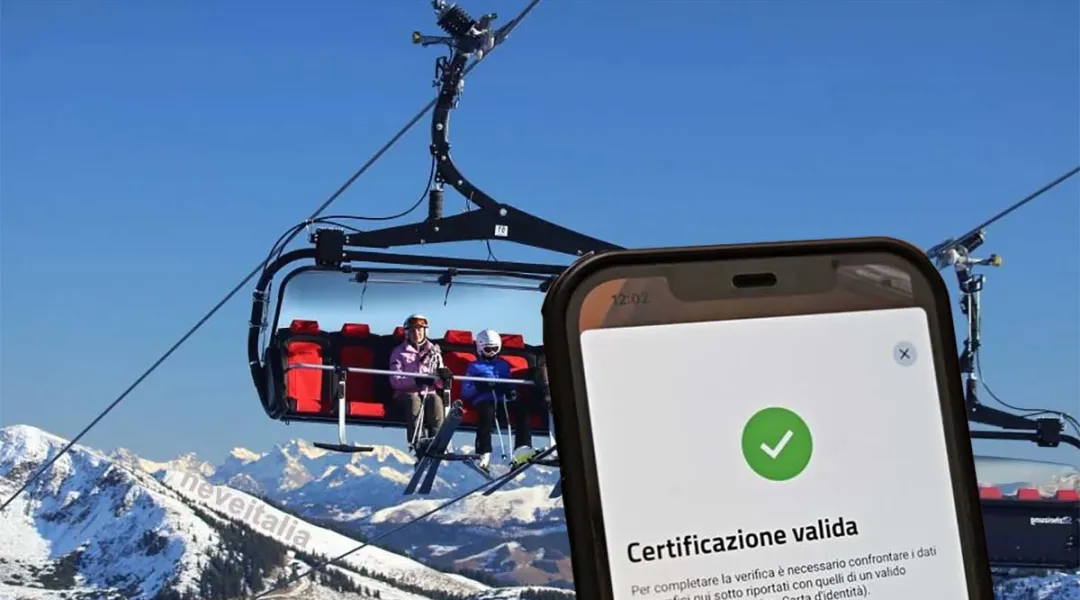

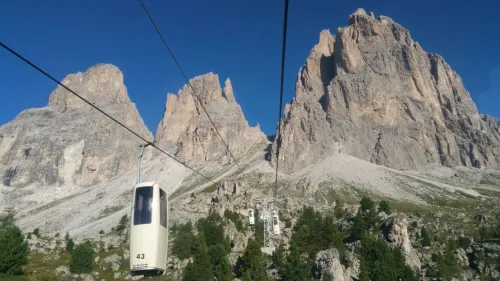
After the president of Dolomiti Superski, even the ski lifts in Alto Adige, following the voice of president Helmuth Sartori, are scoffing at the adoption of the green pass on the ski lifts, in view of the approaching winter season.
Thursday 9 September 2021 2 minutes reading time
"We support political efforts to introduce the Green pass as a prerequisite for access to the ski lifts." President Helmuth Sartori declared this in his report to the assembly of the South Tyrolean Cable Car Operators Association held in Bolzano.
"Due to the early and extended snowfalls and the optimal Easter date, winter 2020/21 could have been a record season. Instead it will go down in history as a total failure", recalled Sartori, stressing that "we can no longer allow that another situation of this kind occurs ".
"More than 360 million euros in turnover are missing - warned the president of the association - The companies that do not have plants in operation even in the summer season have been without income for 20 months and are fighting for economic survival" .
Sartori asked for "solutions in time for the upcoming 2021/22 winter season and the legal framework must be clearly defined in advance".
In addition to the obligation of the Green pass, he added "we can also imagine a limitation of the capacity of closed vehicles to 80%. We are 100% in favor of other measures such as the obligation to use masks or the supply of columns. with disinfectant gel - continued Sartori - but one thing must be clear to all of us: we absolutely need planning security ".
© ALL RIGHTS RESERVED
Social media engagement
More about Tourism
Mountain Tourism
Davide Franchi, Tuesday 4 August 2026
Mountain Tourism
Davide Franchi, Friday 24 July 2026
San Martino di Castrozza
Davide Franchi, Wednesday 22 July 2026
Mountain Tourism
Davide Franchi, Wednesday 15 July 2026
Mountain Tourism
Angelo Bonorino, Monday 13 July 2026Più letti in Turismo
Dolomiti UNESCO, il bilancio di Banca d'Italia: +9% di pernottamenti senza consumare più territorio
Il paper di Banca d'Italia analizza gli effetti sui flussi turistici e sull'ambiente nei 4 anni successivi all'iscrizione delle Dolomiti nella lista dei Patrimoni Mondiali dell'Umanità, avvenuta nel 2009. A fronte di un incremento delle presenze, il numero di strutture turistiche non è cresciuto e quello di posti letto si è ridotto. Ai maggiori flussi turistici non si è associato né un aumento del consumo di suolo né una maggiore produzione di rifiuti, dimostrando il potenziale del riconoscimento UNESCO nel generare benefici economici locali senza compromettere la qualità ambientale, a condizione che siano in atto un efficace coordinamento istituzionale e solide garanzie normative.
2k