
Tourismactuality

The Minister of Tourism spoke at the CI meeting in Rimini. "Starting early, we are in a position to have certain protocols".
Monday 23 August 2021 2 minutes reading time
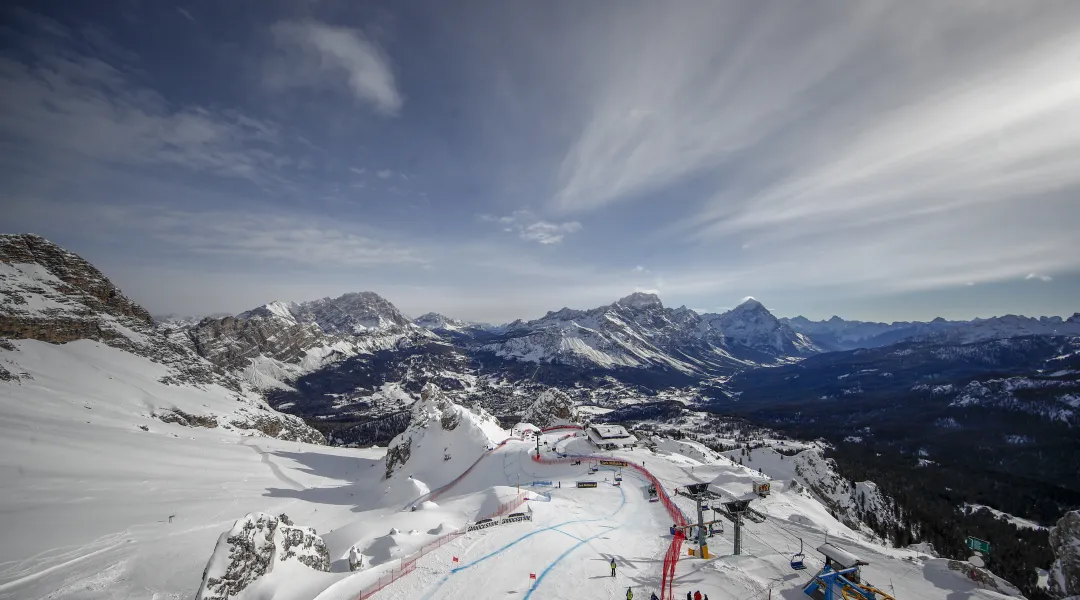
A lost winter season and the goal of experiencing the next one in a completely different way.
The mountain operators have already been working for some time to be able to open, with all the necessary precautions, in a winter 2021/22 which will have to be that of the real restart. And the green pass will be a key to avoid closures, as confirmed yesterday by the Minister of Tourism, Massimo Garavaglia, who spoke at the CI meeting in Rimini: "With the green pass there will be no problems next winter, we have all the credentials to have a serene season like summer - the minister's words reported by "La Stampa" - We have the certification for indoor restaurants, we can proceed with the same rules ".
If the minister of health, Roberto Speranza, had frozen the mountain sector several times with the decisions of last winter, and 460 million euros of funding are still expected ("will come"), Garavaglia further explained that "starting on time we are in the conditions of having certain protocols, all the certain rules and being able to open with serenity. There may be a quota in the numbers, but I don't see any other problems.
The closure of the plants last winter was based solely on prejudice - he added - For the next one, however, I am positive: the plants will reopen and the season will be saved by the green pass ".
© ALL RIGHTS RESERVED
Social media engagement
More about Tourism
Mountain Tourism
Davide Franchi, Tuesday 4 August 2026
Mountain Tourism
Davide Franchi, Friday 24 July 2026
San Martino di Castrozza
Davide Franchi, Wednesday 22 July 2026
Mountain Tourism
Davide Franchi, Wednesday 15 July 2026
Mountain Tourism
Angelo Bonorino, Monday 13 July 2026Più letti in Turismo
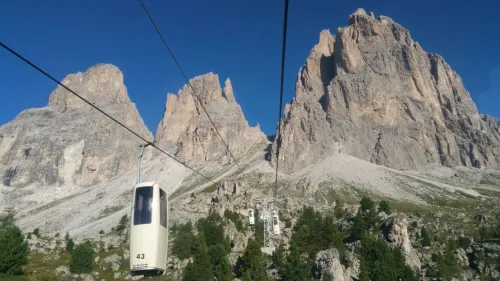
Dolomiti UNESCO, il bilancio di Banca d'Italia: +9% di pernottamenti senza consumare più territorio
Il paper di Banca d'Italia analizza gli effetti sui flussi turistici e sull'ambiente nei 4 anni successivi all'iscrizione delle Dolomiti nella lista dei Patrimoni Mondiali dell'Umanità, avvenuta nel 2009. A fronte di un incremento delle presenze, il numero di strutture turistiche non è cresciuto e quello di posti letto si è ridotto. Ai maggiori flussi turistici non si è associato né un aumento del consumo di suolo né una maggiore produzione di rifiuti, dimostrando il potenziale del riconoscimento UNESCO nel generare benefici economici locali senza compromettere la qualità ambientale, a condizione che siano in atto un efficace coordinamento istituzionale e solide garanzie normative.
2k