
TourismACTUALITY

pg fb Roccaraso.net

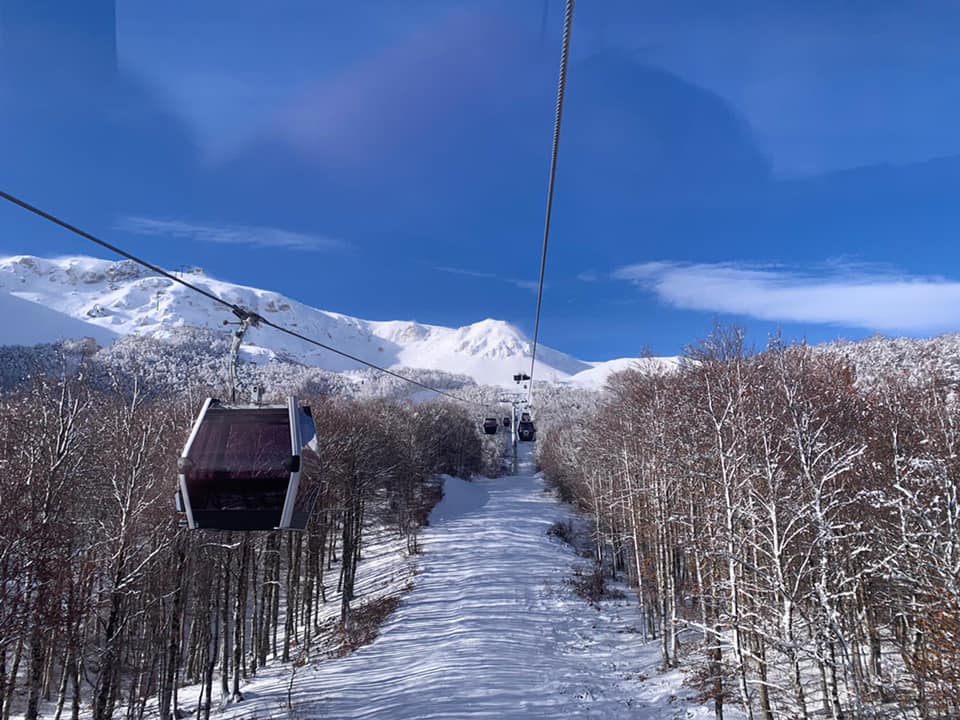
According to the latest dpcm, the lifts were to remain closed until January 6. But now it will be almost impossible to kick off the winter season after the Christmas holidays.
Saturday 26 December 2020 2 minutes reading time
The Technical Scientific Committee rejected the guidelines proposed by the Regions for the opening of the ski lifts.
The minutes of the CTS read: "A significant part of the means of lifts in the ski areas (in particular gondolas and cable cars) have structural and load characteristics that can be assimilated in all respects to the means used for local public transport ( buses, trolleybuses, trams and subways), thus representing a context at medium-high risk of aggregation, with the possibility of high risk during rush hours based on the classification of the risk level of infection from SARS-CoV-2. An effective reorganization of the ski lift system must therefore be envisaged, to be combined with collective and individual prevention and protection measures which, in any case, require the active collaboration of users who will have to continue to put into practice the behaviors envisaged to combat the spread of 'epidemic".
Further updates coming soon
© ALL RIGHTS RESERVED
Social media engagement
More about Tourism

Mountain Tourism
Davide Franchi, Tuesday 4 August 2026
Mountain Tourism
Davide Franchi, Friday 24 July 2026
San Martino di Castrozza
Davide Franchi, Wednesday 22 July 2026
Mountain Tourism
Davide Franchi, Wednesday 15 July 2026
Mountain Tourism
Angelo Bonorino, Monday 13 July 2026Più letti in Turismo
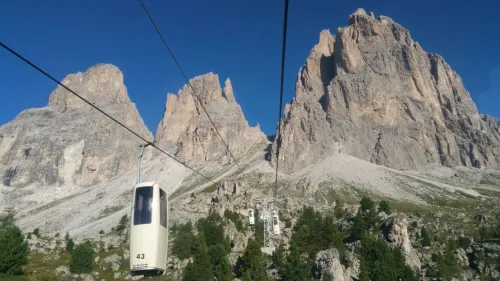
Dolomiti UNESCO, il bilancio di Banca d'Italia: +9% di pernottamenti senza consumare più territorio
Il paper di Banca d'Italia analizza gli effetti sui flussi turistici e sull'ambiente nei 4 anni successivi all'iscrizione delle Dolomiti nella lista dei Patrimoni Mondiali dell'Umanità, avvenuta nel 2009. A fronte di un incremento delle presenze, il numero di strutture turistiche non è cresciuto e quello di posti letto si è ridotto. Ai maggiori flussi turistici non si è associato né un aumento del consumo di suolo né una maggiore produzione di rifiuti, dimostrando il potenziale del riconoscimento UNESCO nel generare benefici economici locali senza compromettere la qualità ambientale, a condizione che siano in atto un efficace coordinamento istituzionale e solide garanzie normative.
1k