
Tourismactuality

pirovano.it

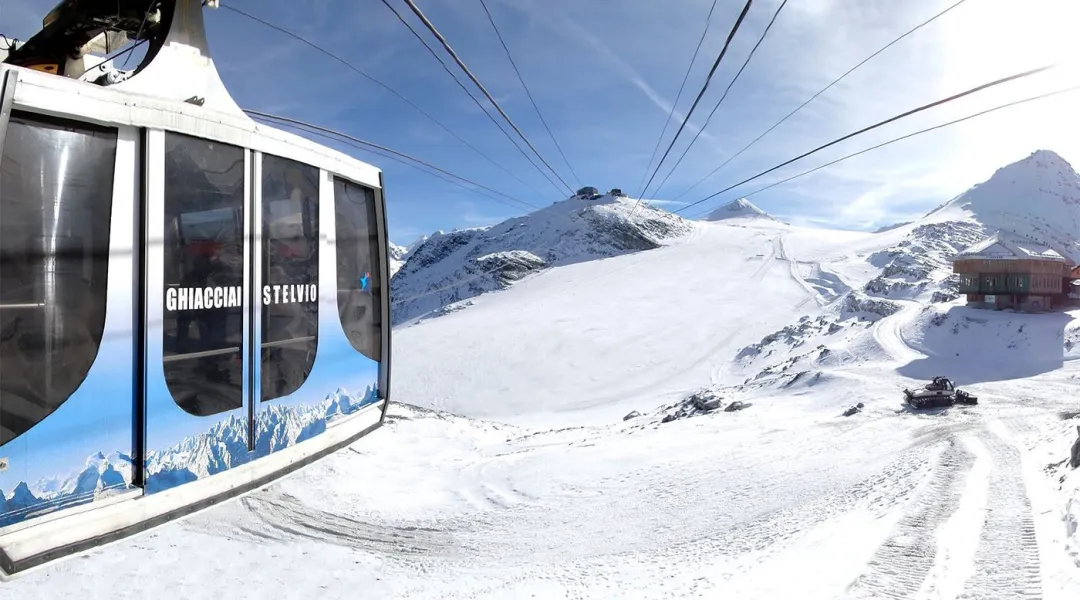
Confirmed the suspension of the ski activity also for the whole month of June, with only the blue athletes on the track starting next Monday.
Saturday 30 May 2020 2 minutes reading time
Fans who want to return to skiing during the summer will have to wait for at least the month of July. The facilities of the Stelvio Pass, as confirmed by the new order issued yesterday by the Lombardy Region, will in fact remain closed to tourists until 30 June, with the suspension of the skiing activity which will then be re-evaluated by that date with further provisions to reopen the station to all users.
From the beginning of the month of June, in fact, the blue athletes recognized as of national interest by the FISI will be on the track, as is known, to begin preparing for the 2020/2021 season; the regional ordinance no. 555 of 29 May, speaks of opening to the blue only for the "resumption of the activities of the lifts in the Lombardy cableway and the ascent of the ski area of the Stelvio Pass, not classified as Local Public Transport (which, as such, are not applied the measures established in the order of the President of the Lombardy Region no. 538 of 30 April 2020) ". All “in compliance with the safety protocols defined by the Decree of the DG Sport and young people of the Lombardy Region, n. 6142 of May 23, 2020 ".
A few more weeks of patience, therefore, before leaving ... for everyone.
© ALL RIGHTS RESERVED
Social media engagement
More details
More about Tourism
Mountain Tourism
Davide Franchi, Tuesday 4 August 2026
Mountain Tourism
Davide Franchi, Friday 24 July 2026
San Martino di Castrozza
Davide Franchi, Wednesday 22 July 2026
Mountain Tourism
Davide Franchi, Wednesday 15 July 2026
Mountain Tourism
Angelo Bonorino, Monday 13 July 2026Più letti in Turismo
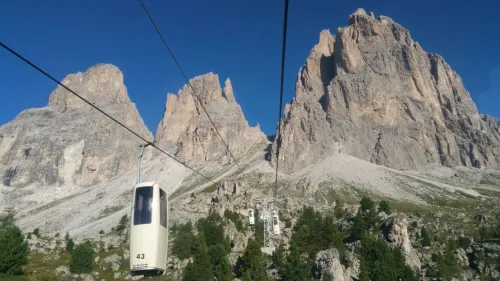
Dolomiti UNESCO, il bilancio di Banca d'Italia: +9% di pernottamenti senza consumare più territorio
Il paper di Banca d'Italia analizza gli effetti sui flussi turistici e sull'ambiente nei 4 anni successivi all'iscrizione delle Dolomiti nella lista dei Patrimoni Mondiali dell'Umanità, avvenuta nel 2009. A fronte di un incremento delle presenze, il numero di strutture turistiche non è cresciuto e quello di posti letto si è ridotto. Ai maggiori flussi turistici non si è associato né un aumento del consumo di suolo né una maggiore produzione di rifiuti, dimostrando il potenziale del riconoscimento UNESCO nel generare benefici economici locali senza compromettere la qualità ambientale, a condizione che siano in atto un efficace coordinamento istituzionale e solide garanzie normative.

243