
TourismTopical

Veneto

The coronavirus emergency places limitations and rules to be followed even in ski areas.
Friday 6 March 2020 3 minutes reading time
As is well known, crowds must be avoided and safety distances must be kept from one person to another. For this reason, restrictions have been imposed regarding the lifts.
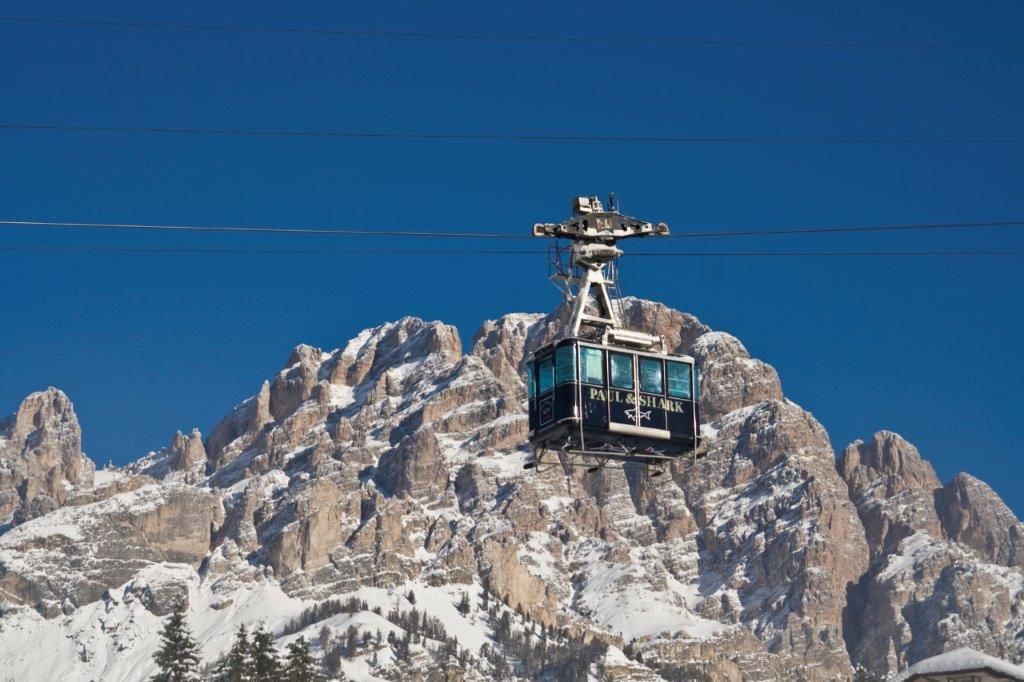
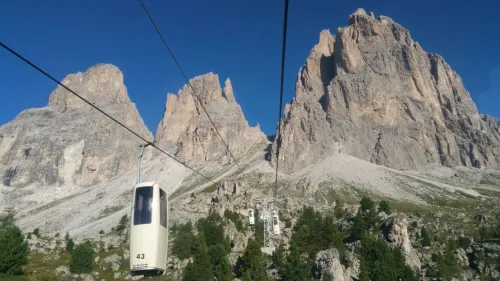
This is the case, for example, of the Piani di Bobbio cable car where a maximum of 8 people per cabin can climb. In addition, a maximum of 2500 people per day can rise instead of 4000-5000, which entails a large loss of turnover.
Restrictions also in South Tyrol where a third of the planned capacity can access the ski lifts. The limitation concerns indoor lifts such as cable cars and cable cars. At the moment these measures concern only 6 municipalities: Selva di Val Gardena, Santa Cristina, Badia, Predoi, Monguelfo and Dobbiaco, These are the areas that have been frequented by tourists who have tested positive for coronavirus. Instead, everything remains regular for the use of chairlifts and ski lifts. Outdoor plants are not subject to containment measures.
In Veneto, in Cortina d'Ampezzo, the new Tofana - Freccia nel Cielo lift has reduced access from 10 to 3 people, while the cableway linking Col Druscié to Ra Valles station has reduced the maximum number of passengers from 80 to 26.
The maximum capacity of the cable car that leads to Mount Faloria was instead increased from 50 to 15 people and the speed of the races was increased.
The Marmolada cableway, which connects Malga Ciapela to the Serauta and Punta Rocca stations, also respects the capacity parameters for the ski lifts dictated by the government decree.
#CORONVIRUS #CORONAVIRUS
© ALL RIGHTS RESERVED
Social media engagement
More about Tourism
Mountain Tourism
Davide Franchi, Tuesday 4 August 2026
Mountain Tourism
Davide Franchi, Friday 24 July 2026
San Martino di Castrozza
Davide Franchi, Wednesday 22 July 2026
Mountain Tourism
Davide Franchi, Wednesday 15 July 2026
Mountain Tourism
Angelo Bonorino, Monday 13 July 2026Più letti in Turismo
Dolomiti UNESCO, il bilancio di Banca d'Italia: +9% di pernottamenti senza consumare più territorio
Il paper di Banca d'Italia analizza gli effetti sui flussi turistici e sull'ambiente nei 4 anni successivi all'iscrizione delle Dolomiti nella lista dei Patrimoni Mondiali dell'Umanità, avvenuta nel 2009. A fronte di un incremento delle presenze, il numero di strutture turistiche non è cresciuto e quello di posti letto si è ridotto. Ai maggiori flussi turistici non si è associato né un aumento del consumo di suolo né una maggiore produzione di rifiuti, dimostrando il potenziale del riconoscimento UNESCO nel generare benefici economici locali senza compromettere la qualità ambientale, a condizione che siano in atto un efficace coordinamento istituzionale e solide garanzie normative.

187