
TourismACTUALITY

Trentino

The document, agreed with all the regions, will now have to be evaluated by the Technical Scientific Committee.
Wednesday 28 October 2020 3 minutes reading time
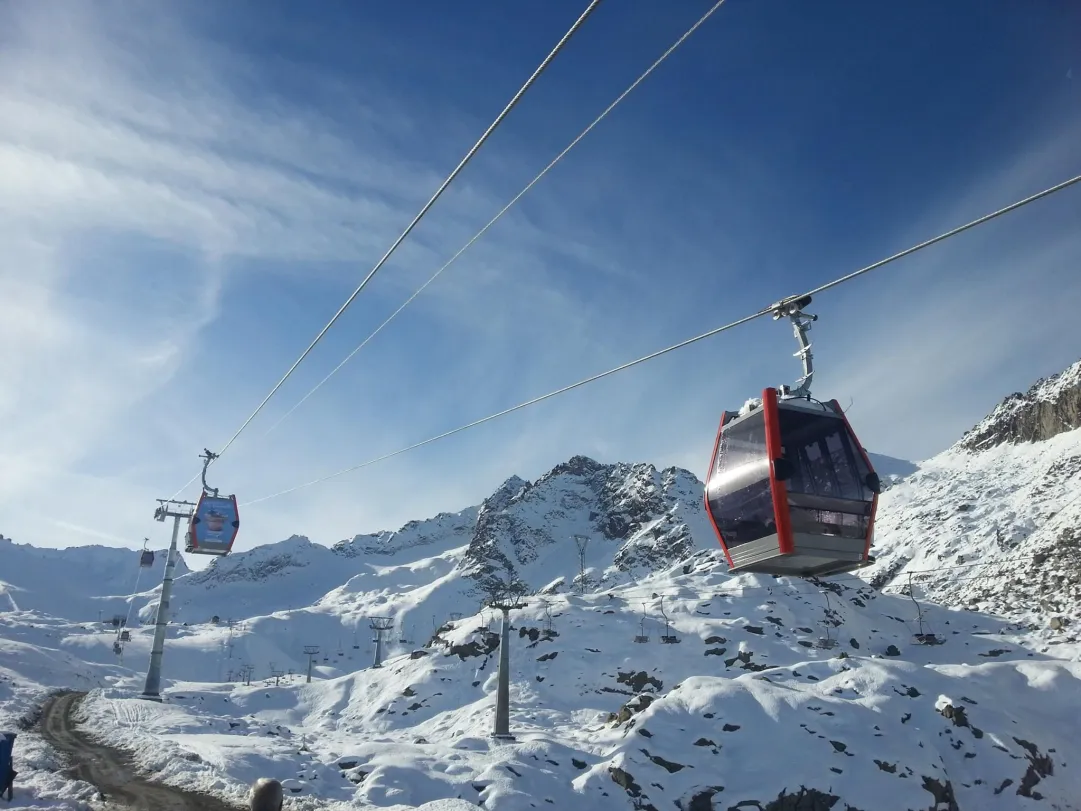
Yesterday, 27 October, the Special Commission for Tourism and Hotel Industry of the Conference of Regions and Autonomous Provinces presented a safety protocol for the opening of the ski resorts, a document agreed with all the Regions of the Alpine arc: Piedmont , Valle d'Aosta, Lombardy, Trentino, South Tyrol, Veneto and Friuli Venezia Giulia.
Roberto Failoni, Councilor for Crafts, Commerce, Promotion, Sport and Tourism of the Autonomous Province of Trento, explained on his personal facebook profile: "Today the Commission has decided to file the protocol, having shared it with all Italian regions, starting with those of the Apennines. Now the protocol arrives on the table of the Presidents of the Conference of Regions and autonomous provinces and must be validated by the Technical Scientific Committee (CTS) ”.
Roberto Failoni goes on to say: "We are confident that the work done in synergy with all the Regions of the Alps (this too a real novelty) can be the document that definitively allows the opening of the ski resorts also in our territory in maximum safety, albeit given the current epidemiological situation. The world of tourism and the ski industry need certainties to be able to organize and set up a winter season which - if it were necessary to repeat it - is nothing short of fundamental for employment and the entire Trentino GDP " .
© ALL RIGHTS RESERVED
Social media engagement
More about Tourism
Mountain Tourism
Davide Franchi, Tuesday 4 August 2026
Mountain Tourism
Davide Franchi, Friday 24 July 2026
San Martino di Castrozza
Davide Franchi, Wednesday 22 July 2026
Mountain Tourism
Davide Franchi, Wednesday 15 July 2026
Mountain Tourism
Angelo Bonorino, Monday 13 July 2026Più letti in Turismo
Dolomiti UNESCO, il bilancio di Banca d'Italia: +9% di pernottamenti senza consumare più territorio
Il paper di Banca d'Italia analizza gli effetti sui flussi turistici e sull'ambiente nei 4 anni successivi all'iscrizione delle Dolomiti nella lista dei Patrimoni Mondiali dell'Umanità, avvenuta nel 2009. A fronte di un incremento delle presenze, il numero di strutture turistiche non è cresciuto e quello di posti letto si è ridotto. Ai maggiori flussi turistici non si è associato né un aumento del consumo di suolo né una maggiore produzione di rifiuti, dimostrando il potenziale del riconoscimento UNESCO nel generare benefici economici locali senza compromettere la qualità ambientale, a condizione che siano in atto un efficace coordinamento istituzionale e solide garanzie normative.
3k