
TourismIndoor skiing


After the projects, now stalled, which included the first Italian Skidome in Casale Monferrato and Selvino, these days you insistently speaks of a new project for a Skidome the outskirts of Milan, set within the former Alfa Romeo Arese.Dopo the reopening of the track tests, the 'grand opening of one of the largest shopping centers in Italy that has congested roads in the area, today the' Aree area is again at the center of a major building redevelopment project.
Monday 5 November 2018 2 minutes reading time
As reported in the newspaper the Day, the Finiper Group, owner of the area, presented the project to obtain a first positive, but funding remains the hub for public transport that will connect the city and the Arese pole.
The track in the project would have a size of 350 meters long by 60 wide and the same height. Also planned to build a hotel and the area for catering. The Finiper group, with the green light of the Region and local institutions (the municipalities of Arese, Garbagnate Milanese and Lainate), have therefore decided to invest a sum of about 65 million euro in a winter sports arena on the outskirts of the capital city of Lombardy . The structure, designed to minimize environmental impact and save energy, be innovative and revolutionary work, designed by Michele De Lucchi, already superstars Zero Pavilion of Expo Milano 2015.
© ALL RIGHTS RESERVED
Social media engagement
More about Tourism

Mountain Tourism
Davide Franchi, Tuesday 4 August 2026
Mountain Tourism
Davide Franchi, Friday 24 July 2026
San Martino di Castrozza
Davide Franchi, Wednesday 22 July 2026

Mountain Tourism
Davide Franchi, Wednesday 15 July 2026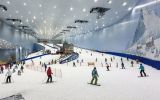
Mountain Tourism
Angelo Bonorino, Monday 13 July 2026Più letti in Turismo
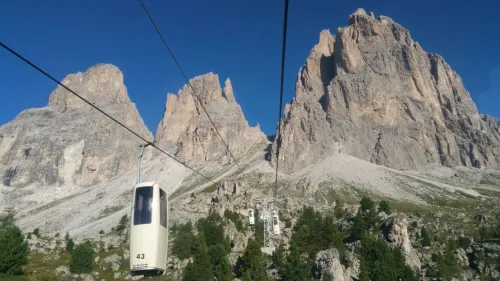
Dolomiti UNESCO, il bilancio di Banca d'Italia: +9% di pernottamenti senza consumare più territorio
Il paper di Banca d'Italia analizza gli effetti sui flussi turistici e sull'ambiente nei 4 anni successivi all'iscrizione delle Dolomiti nella lista dei Patrimoni Mondiali dell'Umanità, avvenuta nel 2009. A fronte di un incremento delle presenze, il numero di strutture turistiche non è cresciuto e quello di posti letto si è ridotto. Ai maggiori flussi turistici non si è associato né un aumento del consumo di suolo né una maggiore produzione di rifiuti, dimostrando il potenziale del riconoscimento UNESCO nel generare benefici economici locali senza compromettere la qualità ambientale, a condizione che siano in atto un efficace coordinamento istituzionale e solide garanzie normative.
115