
TourismEnvironment

Davide Franchi

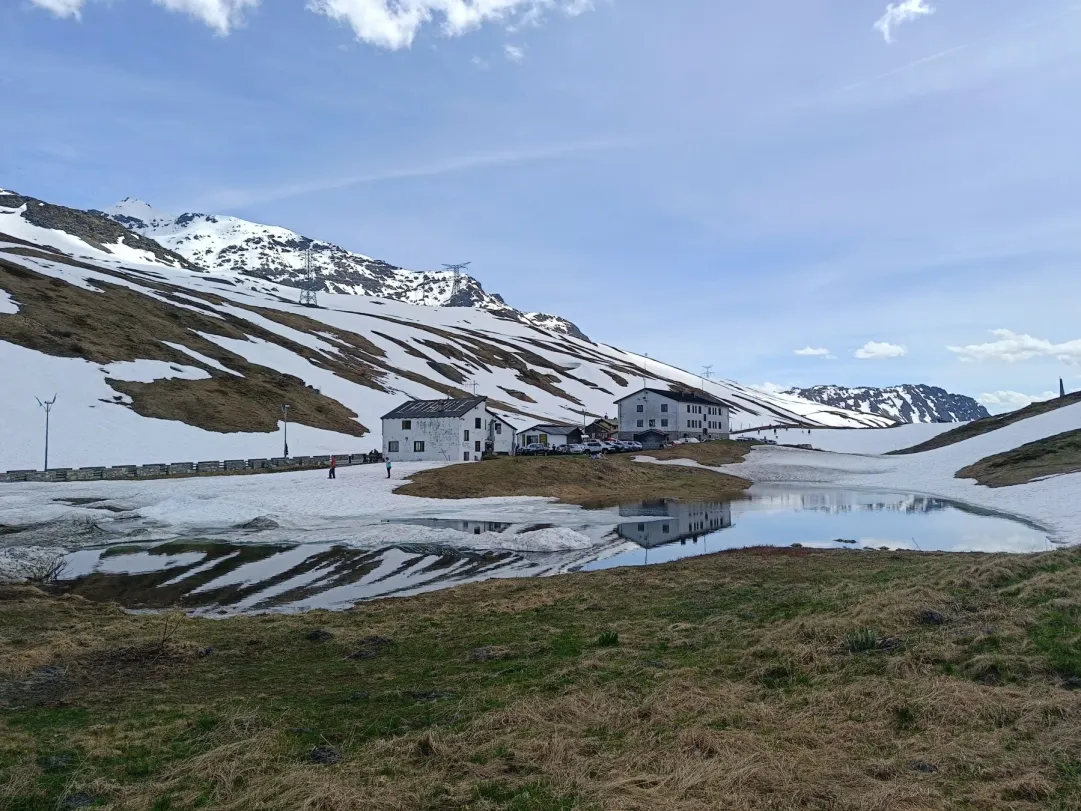
According to a study by the Bird Lab of the Università di Torino, led by Dr Riccardo Alba, the ski slopes of the Italian Alps, often criticised for their environmental impact, could offer an unusual ecological resource as they provide foraging grounds for alpine birds.
Thursday 31 July 2025 4 minutes reading time
According to the research, in late spring some bird species prefer areas where artificial snow cover is melting. In these transition zones between snow and soil, researchers observed the presence of at least 17 species, active during a critical phase of the year, before the breeding season. The phenomenon is due to snow compaction and the use of artificial snowmaking, which slows melting compared with the surrounding natural habitats, recreating microenvironments similar to those of residual snow patches at higher elevations.
In particular, since the 1960s, several studies have analysed the so-called phenomenon of arthropod insects falling onto snow: when flying insects land on the surface of the snow, they become moribund and provide easy and abundant prey for birds. Researchers began observing mountain birds feeding on snow, hypothesising that snow patches could serve as a food source because of this insect fallout. In more recent years, some studies have also highlighted the greater concentration of certain insect larvae at the edges of snow patches.
The University of Turin’s study, conducted on the ski slopes of the Via Lattea ski area, produced particularly positive findings in areas at intermediate elevations, probably because of the greater availability and detectability of prey along the edges of snow-covered runs.
In conclusion, the study highlights that ski slopes, under certain conditions, can provide foraging habitat for alpine birds. However, the ecological costs of ski areas cannot be ignored and, by adopting more sustainable management practices, ski resorts could mitigate their environmental impact, contributing to the conservation of mountain biodiversity. These efforts will need to form part of a broader adaptation strategy that takes into account the impacts of climate change and changes in land use in mountain ecosystems. “Only through such integrated approaches – the study concludes - will it be possible to ensure the long-term survival of mountain bird communities and the ecosystems they inhabit”.
© ALL RIGHTS RESERVED
Social media engagement
Most read in Turismo
Neveitalia chooses Holidu: holiday homes join our ski resort pages
The collaboration expands the services dedicated to snow tourism: apartments, chalets and holiday homes will gradually be integrated into the pages of Italian ski areas.

49