
Tourism

chemnitzerhuette.com

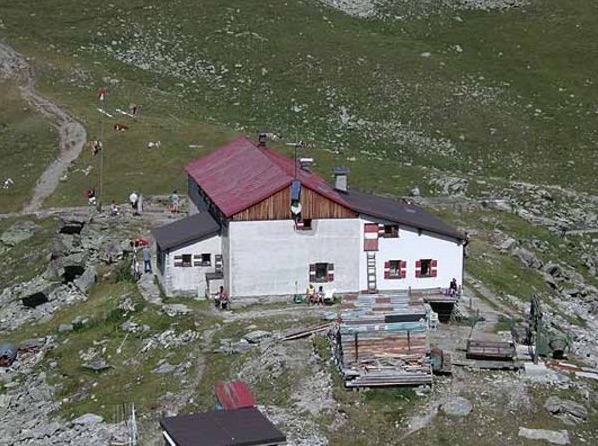
The president of Bolzano province Arno Kompatscher walked up to the 2420 meters above sea level of the refugee John Porro, located in the Ahrntal Valley in the town of Selva dei Molini.
Tuesday 26 September 2017 2 minutes reading time
The refuge was built in 1895 next to a shelter built in 1880 and in 1928 it was assigned to the section of Milan del Cai, who dedicated it to a sergeant of the Alpine fallen during the Great War, but during World War II suffered serious damage that the CAI in Milan first made a restoration in 1950 and then completely rebuilt it in 1983. Kompatscher, who also has competence in the provincial junta, also has tourism, met, as reported by altoadige.gelocal.it , the retirement manager Roland Gruber, who explained to him the challenge of carrying out such a structure, taking into account the needs of the guests.
President Arno Kompatscher emphasized the fundamental role played by alpine shelters for all mountain lovers, who are residents or tourists, therefore announced: "This is a real business card for South Tyrol and that is why that we decided to raise the funds available for the maintenance of the 25 huts owned by the Province of Bolzano to 10 million euros until 2019. Along with the managers we want to ensure that the structures can operate according to the best standards of a highly evolving industry , respecting the 'harmony with the surrounding environment and landscape'.
© ALL RIGHTS RESERVED
Social media engagement
More about Tourism
Mountain Tourism
Davide Franchi, Tuesday 4 August 2026
Mountain Tourism
Davide Franchi, Friday 24 July 2026
San Martino di Castrozza
Davide Franchi, Wednesday 22 July 2026
Mountain Tourism
Davide Franchi, Wednesday 15 July 2026
Mountain Tourism
Angelo Bonorino, Monday 13 July 2026Più letti in Turismo
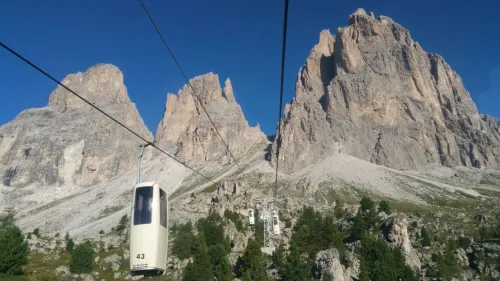
Dolomiti UNESCO, il bilancio di Banca d'Italia: +9% di pernottamenti senza consumare più territorio
Il paper di Banca d'Italia analizza gli effetti sui flussi turistici e sull'ambiente nei 4 anni successivi all'iscrizione delle Dolomiti nella lista dei Patrimoni Mondiali dell'Umanità, avvenuta nel 2009. A fronte di un incremento delle presenze, il numero di strutture turistiche non è cresciuto e quello di posti letto si è ridotto. Ai maggiori flussi turistici non si è associato né un aumento del consumo di suolo né una maggiore produzione di rifiuti, dimostrando il potenziale del riconoscimento UNESCO nel generare benefici economici locali senza compromettere la qualità ambientale, a condizione che siano in atto un efficace coordinamento istituzionale e solide garanzie normative.
2