
Mountain Flavours
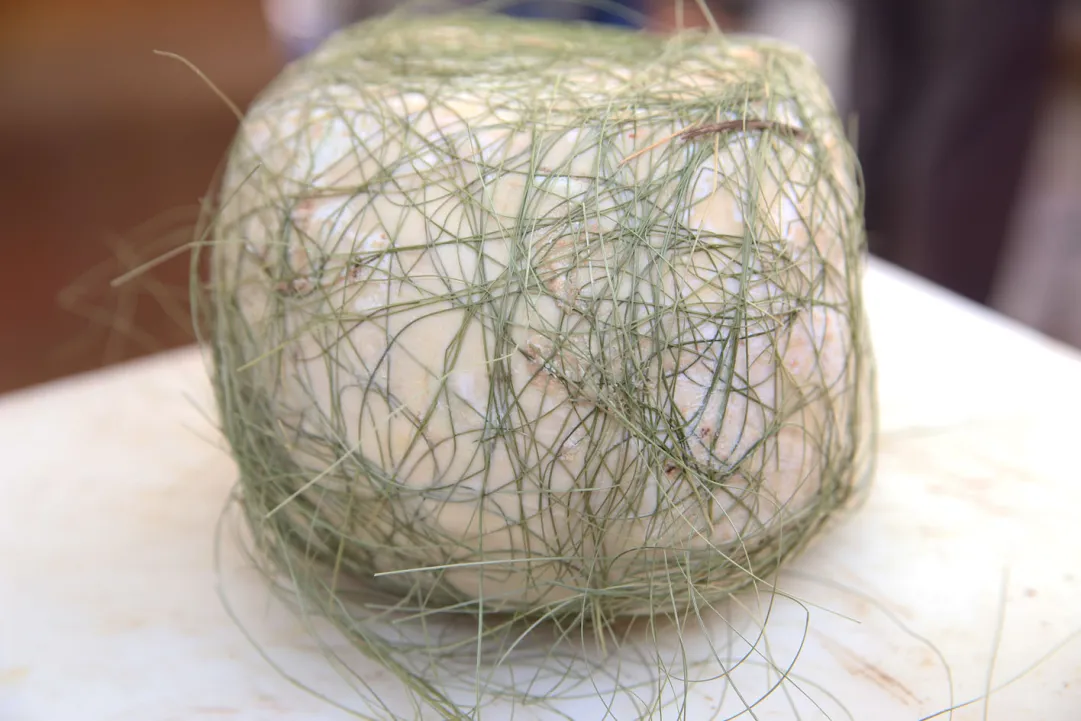

& Egrave; from simple things that often comes something unique. How dall''unione cheese with hay or with mountain herbs: when the dairy tradition embraces something simple and spontaneous as the 'grass collection where the' air & egrave; pure and left to dry in the sun dell''estate create products unique flavor. The simplicity & agrave; of these products leaves almost unarmed, if you think you are born with the need & agrave; to keep long a fresh product. And & egrave; just starting dall''eccedenza that the 'human ingenuity has created the fragrances and flavors that only cheeses wrapped in hay or leaves have.
Tuesday 29 December 2015 2 minutes reading time
Cheese Hay & egrave; a typical product of Piedmont, made with raw cow's milk. Pasta & egrave; semi-hard and the 'regular holes. The flavors of this cheese are enhanced thanks to the seasoning on hay aromas of mountain herbs are mixed with hints of buttery milk, to create a great cheese to taste pure, but also suitable for the preparation of many dishes.
Always Piedmont, Seirass the fen, a seasoned ricotta briefly and wrapped in hay. Produced from goat's milk, sheep and cow, this cheese has a compact texture and grainy. Depending on age and period of production can & ograve; be delicate or tasty.
Testun & egrave; a typical Piedmont cheese, pasta greasy and medium matured. Often it is matured in hay, taking the name of Testun Fen.
& Nbsp; Even in Trentino Alto Adige hay & egrave; used as an ingredient sought after for its unique scent and taste that gives to food. Hansi Baumgartner, renowned refiner produces for his company Degust the Fienoso, a soft cow's milk cheese that makes you dream summer pastures of the high mountains. The cheeses are wrapped in hay and aged for two months, cos & Igrave; cheese smells of high mountains.
Different countries, different traditions that are ... are numerous along the Alps from processed cheese with hay, leaves or herbs in the mountains, to discover!
© ALL RIGHTS RESERVED
Social media engagement
More about Mountain Flavours

Snow Food
Press Release, Wednesday 10 September 2025
Snow Food
Redazione Turismo, Wednesday 1 February 2023
Alta Badia
Alta Badia, the new edition of “Skiing with taste” in support of pediatric palliative care
Press Release, Sunday 18 September 2022
Alta Pusteria
Aromas and flavors of Alta Pusteria in the kitchen of chef Markus Auer at the Naturhotel Leitlhof
Redazione Turismo, Tuesday 25 January 2022
Snow Food
Valle del Vanoi, 5th March 5th edition of the CraspaMagna Dolomitica
Michela Caré, Friday 21 February 2020
Snow Food
Happy Cheese, the cheese-based aperitif is back in Trentino
Michela Caré, Thursday 13 February 2020Più letti in Turismo
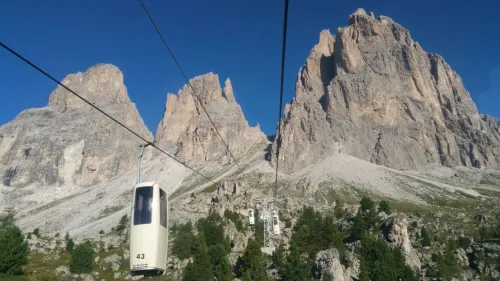
Dolomiti UNESCO, il bilancio di Banca d'Italia: +9% di pernottamenti senza consumare più territorio
Il paper di Banca d'Italia analizza gli effetti sui flussi turistici e sull'ambiente nei 4 anni successivi all'iscrizione delle Dolomiti nella lista dei Patrimoni Mondiali dell'Umanità, avvenuta nel 2009. A fronte di un incremento delle presenze, il numero di strutture turistiche non è cresciuto e quello di posti letto si è ridotto. Ai maggiori flussi turistici non si è associato né un aumento del consumo di suolo né una maggiore produzione di rifiuti, dimostrando il potenziale del riconoscimento UNESCO nel generare benefici economici locali senza compromettere la qualità ambientale, a condizione che siano in atto un efficace coordinamento istituzionale e solide garanzie normative.
2