
Mountain Flavours
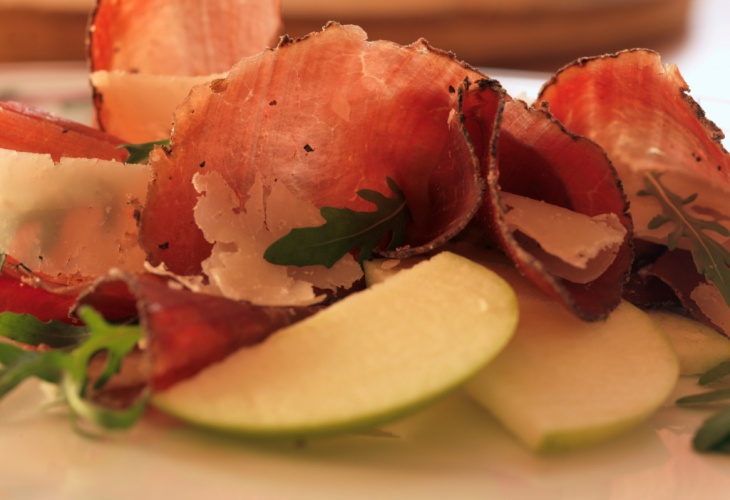


The best often arise from simple necessity & agrave ;. The conservation of fresh foods & egrave; one of them and allows us to enjoy fine cheeses. Even the need & agrave; to preserve meat & egrave; was the starting point of many tasty products, such as meat fumada.
Thursday 4 February 2016 3 minutes reading time
typical of Trentino, the dog fumada & egrave; It realized starting from the deboned beef leg. The beef round is passed in brine, pepper, bay leaf, juniper and rosemary and then smoked and aged for at least a month. The original recipe & egrave; Bonelli Siror Butcher, fumada that produces the meat for over forty & rsquo; years.
Inserted in & rsquo; Atlas of Traditional products of Trentino, the fumada meat looks like the salted meat, but the flavor of the two products & egrave; clearly different. The walker prepared to achieve fumada meat, after being in brine, is dried and placed in the oven to smoke with hardwoods and juniper branches that give the product a perfume and a unique flavor and inimitable, that thanks to the seasoning has been persisted .
The cerne fumada & egrave; perfect to be eaten raw, as an appetizer or main course, perhaps accompanied by a dish of Trentino cuisine, as fas memorize options i en bronz memorize options n or potato tortel. It is very thin and with low water content, very tasty meat, also suitable for a snack on tours on the ski slopes or during a walk in Trentino. The meat fumada & egrave; perfect to be accompanied by a craft beer or one of the many excellent wines from Trentino.
& Nbsp;
The Butcher Bonelli Siror & egrave; always attentive to the quality & agrave; ingredients used and offers its clients a number of sausages and typical products of the local tradition. To find out more & ugrave; you can take a look at the website: Butcher Bonelli.
© ALL RIGHTS RESERVED
Social media engagement
More about Mountain Flavours

Snow Food
Press Release, Wednesday 10 September 2025
Snow Food
Redazione Turismo, Wednesday 1 February 2023
Alta Badia
Alta Badia, the new edition of “Skiing with taste” in support of pediatric palliative care
Press Release, Sunday 18 September 2022
Alta Pusteria
Aromas and flavors of Alta Pusteria in the kitchen of chef Markus Auer at the Naturhotel Leitlhof
Redazione Turismo, Tuesday 25 January 2022
Snow Food
Valle del Vanoi, 5th March 5th edition of the CraspaMagna Dolomitica
Michela Caré, Friday 21 February 2020
Snow Food
Happy Cheese, the cheese-based aperitif is back in Trentino
Michela Caré, Thursday 13 February 2020Più letti in Turismo
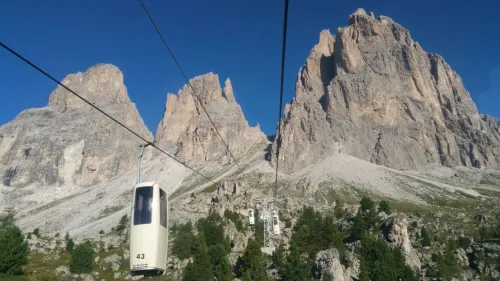
Dolomiti UNESCO, il bilancio di Banca d'Italia: +9% di pernottamenti senza consumare più territorio
Il paper di Banca d'Italia analizza gli effetti sui flussi turistici e sull'ambiente nei 4 anni successivi all'iscrizione delle Dolomiti nella lista dei Patrimoni Mondiali dell'Umanità, avvenuta nel 2009. A fronte di un incremento delle presenze, il numero di strutture turistiche non è cresciuto e quello di posti letto si è ridotto. Ai maggiori flussi turistici non si è associato né un aumento del consumo di suolo né una maggiore produzione di rifiuti, dimostrando il potenziale del riconoscimento UNESCO nel generare benefici economici locali senza compromettere la qualità ambientale, a condizione che siano in atto un efficace coordinamento istituzionale e solide garanzie normative.
2