
Mountain Flavours#slowalps
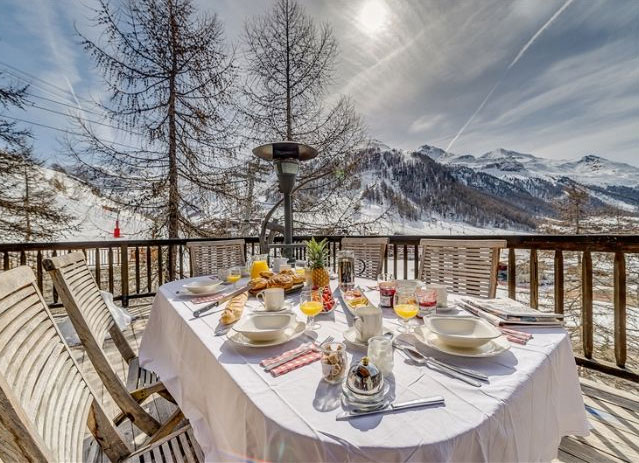

From 23 to 27ottobre Turin is home to the '2014 edition of the Salone del Gusto and Terra Madre, which for the first time, will dedicate & agrave; a space for community & agrave; Slow dell''arco Alpine Alps.
Thursday 23 October 2014 2 minutes reading time
Slow Alps, project the result of the collaboration of the Compagnia di San Paolo, Terra Madre and Slow Food, sar & agrave; un''ottima opportunity to be guided on a journey through knowledge and the discovery of the territories dell''arco alpine and their products. Over six countries including Italy, France, Switzerland, Germany, Austria and Slovenia participate all''evento offering a window into their communities & aacute; Alpine on tourism, agriculture and their food and wine. Slow Alps offers, therefore, a swirl of flavors to taste the typical products of our local mountain or not, choosing between cold cuts, cheeses, wines and many other bont & agrave ;. The schedule includes conferences and workshops to promote and raise awareness of the alpine regions, their history and reality & aacute; related all''economia of the mountain, winking 'eye to young producers, with innovation and perseverance, contribute to the preservation of local products and food traditions and cultural rights of their lands. The 'initiative Slow Alps seem to fit perfectly into the gi & agrave; Consolidated and pi & ugrave; broader context of the Salone del Gusto, promoting and enhancing the 'alpine areas are of importance to national and European level.
  more information: www.torinoelealpi.it www.salonedelgusto.it
#SLOWALPS
© ALL RIGHTS RESERVED
Social media engagement
More about Mountain Flavours

Snow Food
Press Release, Wednesday 10 September 2025
Snow Food
Redazione Turismo, Wednesday 1 February 2023
Alta Badia
Alta Badia, the new edition of “Skiing with taste” in support of pediatric palliative care
Press Release, Sunday 18 September 2022
Alta Pusteria
Aromas and flavors of Alta Pusteria in the kitchen of chef Markus Auer at the Naturhotel Leitlhof
Redazione Turismo, Tuesday 25 January 2022
Snow Food
Valle del Vanoi, 5th March 5th edition of the CraspaMagna Dolomitica
Michela Caré, Friday 21 February 2020
Snow Food
Happy Cheese, the cheese-based aperitif is back in Trentino
Michela Caré, Thursday 13 February 2020Più letti in Turismo
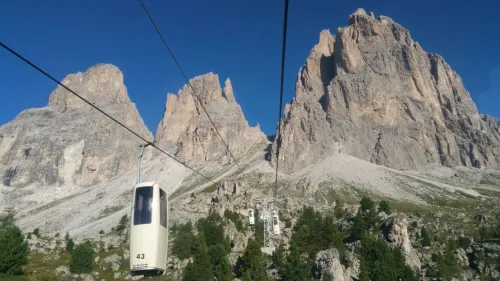
Dolomiti UNESCO, il bilancio di Banca d'Italia: +9% di pernottamenti senza consumare più territorio
Il paper di Banca d'Italia analizza gli effetti sui flussi turistici e sull'ambiente nei 4 anni successivi all'iscrizione delle Dolomiti nella lista dei Patrimoni Mondiali dell'Umanità, avvenuta nel 2009. A fronte di un incremento delle presenze, il numero di strutture turistiche non è cresciuto e quello di posti letto si è ridotto. Ai maggiori flussi turistici non si è associato né un aumento del consumo di suolo né una maggiore produzione di rifiuti, dimostrando il potenziale del riconoscimento UNESCO nel generare benefici economici locali senza compromettere la qualità ambientale, a condizione che siano in atto un efficace coordinamento istituzionale e solide garanzie normative.
2