
Mountain FlavoursSummer Biathlon Festival
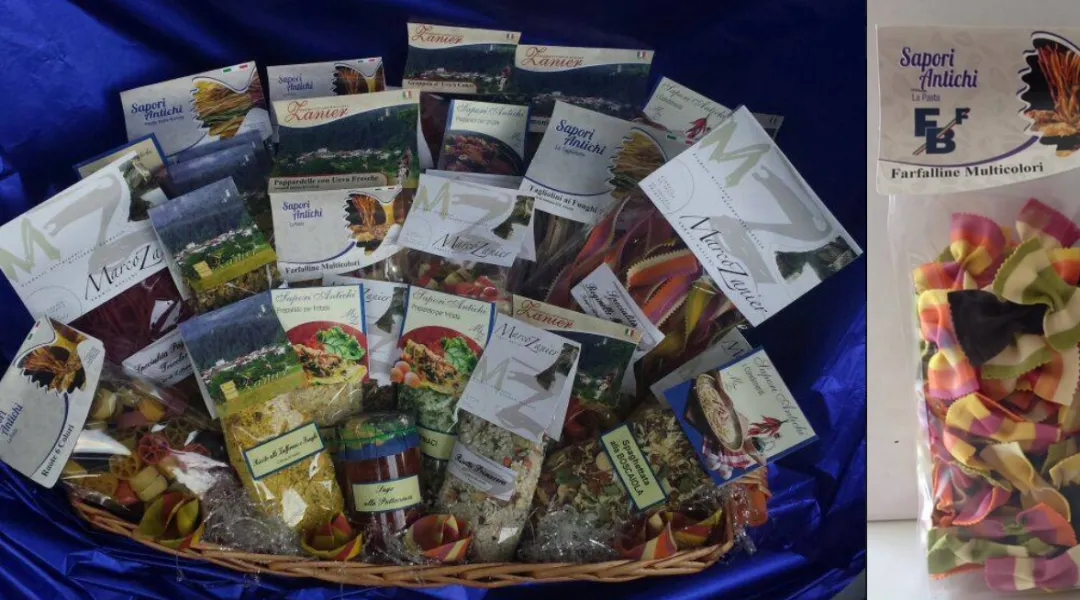

The fourth edition of the Summer Biathlon Festival will have & agrave; a partner of 'exception in the field of gastronomy. In fact in this 2015 Frassinoro Biathlon Friends vender & agrave; among its gadgets even paste Antichi Sapori.
Tuesday 23 June 2015 2 minutes reading time
Ancient Flavors was founded in 1996 by the will & agrave; Marco Zanier that after several years spent in the food quality & agrave; He decided to open their own business & agrave ;. The 'company has rapidly gained market share in the field of Italian pasta to high range, then expanding with arrogance all''estero.
Currently 30% of the company's turnover comes from the domestic market, whose clientele & egrave; selected among the best shopping in the Friuli Venezia Giulia, Trentino and of South Tyrol.
The remaining 70% instead comes from across the border where the products are sold in more & ugrave; prestigious delicatessens and delicacy Corner major CITY European and American. Among the customers more & ugrave; famous may include Fauchon and Galeries Lafayette in Paris, Harrods, Harvey Nichols and Sainsbury in London.
Over time the 'offer & egrave; expanded to 250 products including pastas, risottos, sauces, polenta and infusions.
Just in virt & ugrave; her strong internationality agrave ;, & Ancient Flavors decided to bind the biathlon discipline extremely popular throughout Europe.
© ALL RIGHTS RESERVED
Social media engagement
More about Mountain Flavours

Snow Food
Press Release, Wednesday 10 September 2025
Snow Food
Redazione Turismo, Wednesday 1 February 2023
Alta Badia
Alta Badia, the new edition of “Skiing with taste” in support of pediatric palliative care
Press Release, Sunday 18 September 2022
Alta Pusteria
Aromas and flavors of Alta Pusteria in the kitchen of chef Markus Auer at the Naturhotel Leitlhof
Redazione Turismo, Tuesday 25 January 2022
Snow Food
Valle del Vanoi, 5th March 5th edition of the CraspaMagna Dolomitica
Michela Caré, Friday 21 February 2020
Snow Food
Happy Cheese, the cheese-based aperitif is back in Trentino
Michela Caré, Thursday 13 February 2020Più letti in Turismo
Dolomiti UNESCO, il bilancio di Banca d'Italia: +9% di pernottamenti senza consumare più territorio
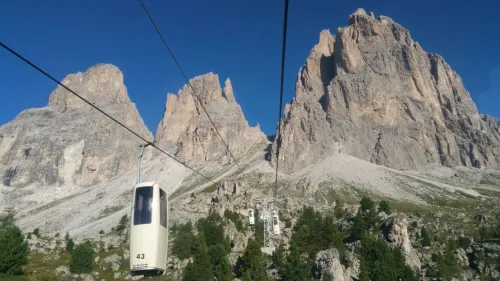
Il paper di Banca d'Italia analizza gli effetti sui flussi turistici e sull'ambiente nei 4 anni successivi all'iscrizione delle Dolomiti nella lista dei Patrimoni Mondiali dell'Umanità, avvenuta nel 2009. A fronte di un incremento delle presenze, il numero di strutture turistiche non è cresciuto e quello di posti letto si è ridotto. Ai maggiori flussi turistici non si è associato né un aumento del consumo di suolo né una maggiore produzione di rifiuti, dimostrando il potenziale del riconoscimento UNESCO nel generare benefici economici locali senza compromettere la qualità ambientale, a condizione che siano in atto un efficace coordinamento istituzionale e solide garanzie normative.

2