
Mountain Flavours
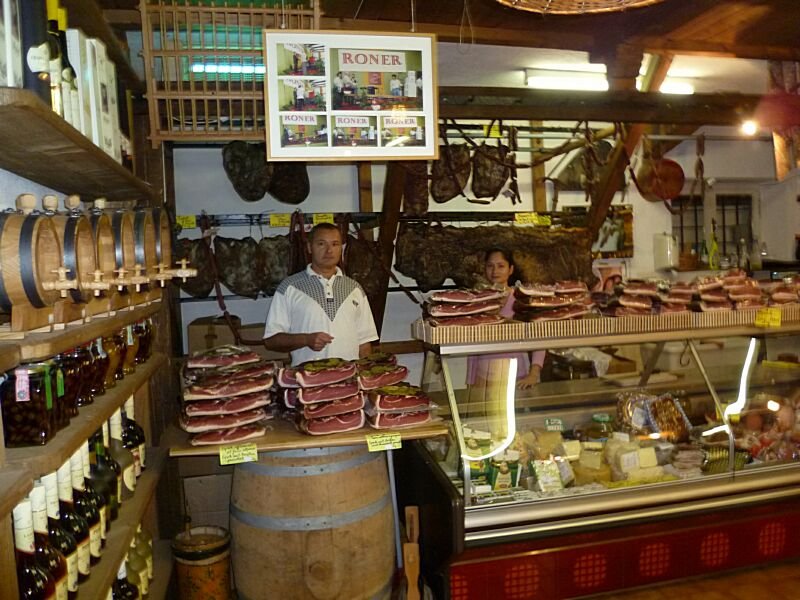

There are places that still have all the charm of the old town shops: basic furniture, tiles "one-time", run almost familiar and rich in high-quality delicacies counter. If you want to buy the typical South Tyrolean products, Speck Haus is the store you're looking for.
Tuesday 10 January 2017 2 minutes reading time
Speck Haus (via Brenner 1, Egna BZ) is a shop almost entirely dedicated to the speck. It not for nothing is called House of Speck ... but on the inside you can find many other local products. sweet and aromatic bacon are the masters. Their scent greets you as you enter and you can carefully choose the piece you prefer. On the bench even bacon, various types of natural honey, Doc wines, fruits and vegetables, fresh and aged cheeses, colored pasta, brandy Psenner ...
In the House of Speck Klaus Bazzanella, also, you can have a snack or stop for a hearty lunch: not c''è nothing better than a break with meats and cheeses accompanied by excellent South Tyrolean apple juice.
A shop like this is a jewel, but also a challenge: a little-known artisan shop that carries the best of local produce, enhances the area and is a place where quality is within reach of all. A shop that does not need to be saved, because the great products it offers are its best business card.
And if you want to taste something good, without having to go for strength in Trentino Alto Adige ... you can get online! Http://www.speck-haus.com/italiano/home.html on the site you can select the desired products and getting them directly home. Try it to believe it!
© ALL RIGHTS RESERVED
Social media engagement
More about Mountain Flavours

Snow Food
Press Release, Wednesday 10 September 2025
Snow Food
Redazione Turismo, Wednesday 1 February 2023
Alta Badia
Alta Badia, the new edition of “Skiing with taste” in support of pediatric palliative care
Press Release, Sunday 18 September 2022
Alta Pusteria
Aromas and flavors of Alta Pusteria in the kitchen of chef Markus Auer at the Naturhotel Leitlhof
Redazione Turismo, Tuesday 25 January 2022
Snow Food
Valle del Vanoi, 5th March 5th edition of the CraspaMagna Dolomitica
Michela Caré, Friday 21 February 2020
Snow Food
Happy Cheese, the cheese-based aperitif is back in Trentino
Michela Caré, Thursday 13 February 2020Più letti in Turismo
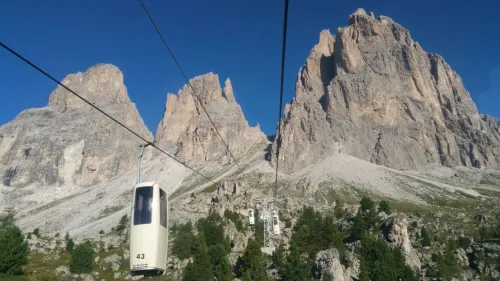
Dolomiti UNESCO, il bilancio di Banca d'Italia: +9% di pernottamenti senza consumare più territorio
Il paper di Banca d'Italia analizza gli effetti sui flussi turistici e sull'ambiente nei 4 anni successivi all'iscrizione delle Dolomiti nella lista dei Patrimoni Mondiali dell'Umanità, avvenuta nel 2009. A fronte di un incremento delle presenze, il numero di strutture turistiche non è cresciuto e quello di posti letto si è ridotto. Ai maggiori flussi turistici non si è associato né un aumento del consumo di suolo né una maggiore produzione di rifiuti, dimostrando il potenziale del riconoscimento UNESCO nel generare benefici economici locali senza compromettere la qualità ambientale, a condizione che siano in atto un efficace coordinamento istituzionale e solide garanzie normative.
15