
Alpine SkiingHe decided all tracking

Fisi Pentaphoto

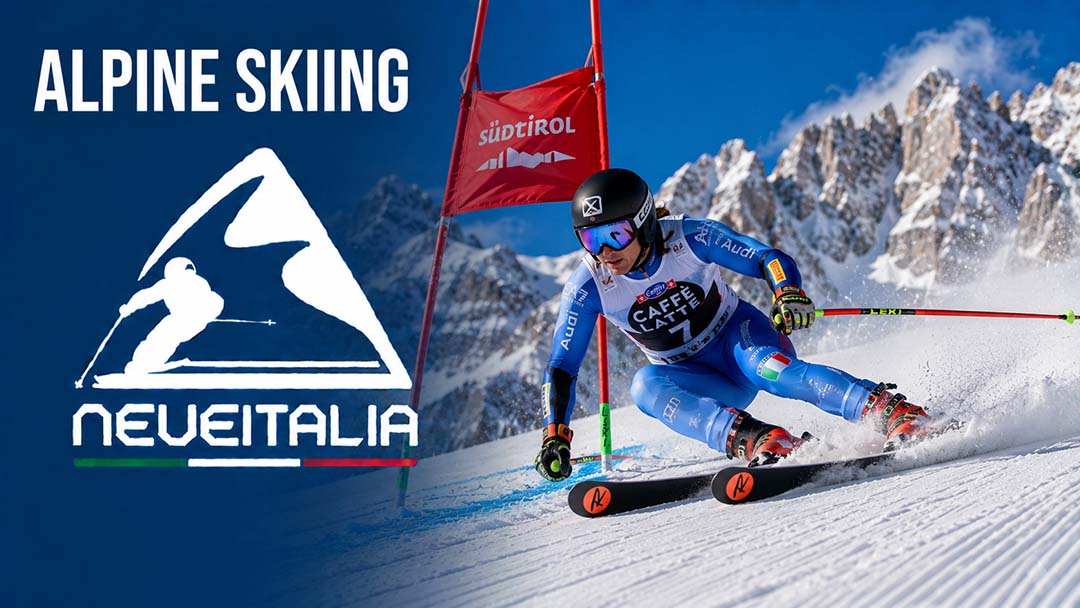
Were decided for the tracking of all the races of the World Cup men and women. Livio Magoni for women and Jacques Theolier (pictured with Giuliano Razzoli) for men will plot already the second race of the giants of Soelden on 26 and 27 October. By clicking here you will find the complete list!
Friday 4 October 2013 2 minutes reading time
As the saying'' the press office of the FIS, and we thank them, "Livio Magoni draw the second round of the women's giant'' s opening track Soelden on Saturday, October 26 and the first run of the giant of St. Moritz on Sunday 15 December. Alberto Ghezze will instead concentrate on tracing the descent valid for the super combined in Altenmarkt January 12 (Aut) and supergiant valid for the Finals in Lenzerheide March 13. Among men Jacques Theolier draw the second run of the giant of Soelden Sunday, October 27, the first run of the slalom in Val d'' Isère on Sunday December 15 and the second run of the slalom in Kranjska Gora on Sunday, March 9 at Alexander Prosch will touch the first run of the giant in Adelboden on Saturday 11th January, Simone Del Dio the second run of the slalom in Wengen on Sunday 19 January, Gianluca Rulfi trace the supergiant Kvitfjell of Sunday, March 3, finally Stefano Costazza will make the second round of the giant Lenzerheide.
Social media engagement
More about Alpine Skiing

Men’s Alpine Skiing
Fabio Poncemi, Thursday 17 September, 17:40
Alpine Skiing
Fabio Poncemi, Thursday 17 September, 13:10
Women’s Alpine Skiing
Fabio Poncemi, Wednesday 16 September, 17:50
Women’s Alpine Skiing
Curtoni joins the speed group to fly to La Parva: the Azzurre in action in Chile from Friday
Fabio Poncemi, Wednesday 16 September, 12:40
Men’s Alpine Skiing
Fabio Poncemi, Wednesday 16 September, 11:00
Alpine Skiing
Fabio Poncemi, Tuesday 15 SeptemberPiù letti in Meteo e neve

NOAA: torna El Niño, come potrebbe influenzare l'inverno 2026-2027 sulle Alpi?
La NOAA (National Oceanic and Atmospheric Administration) ha pubblicato il 9 luglio il nuovo aggiornamento sul fenomeno climatico ENSO (El Niño-Southern Oscillation), confermando che El Niño è ormai in pieno sviluppo e che continuerà a rafforzarsi nei prossimi mesi. Secondo i climatologi statunitensi, il fenomeno dovrebbe raggiungere il proprio massimo proprio durante l'inverno boreale 2026-2027, con una probabilità del 97% di persistere fino alla primavera 2027 e con possibilità sempre più elevate di raggiungere un'intensità tra le più elevate osservate dal 1950.
2